Debunking Common Myths About Gum Disease
Gum disease, or periodontal disease, affects millions of people worldwide, yet misconceptions about it persist. These myths can lead to misunderstandings and delayed treatment, worsening oral health over time. Let’s address and debunk some of the most common myths about gum disease to help you take charge of your periodontal health.
Myth 1: Gum Disease Only Affects Older Adults
Truth: While gum disease is more common as we age, it can develop at any age, even in teenagers. Factors such as poor oral hygiene, smoking, genetics, and underlying health conditions can increase the risk, regardless of age.
Myth 2: Bleeding Gums Are Normal
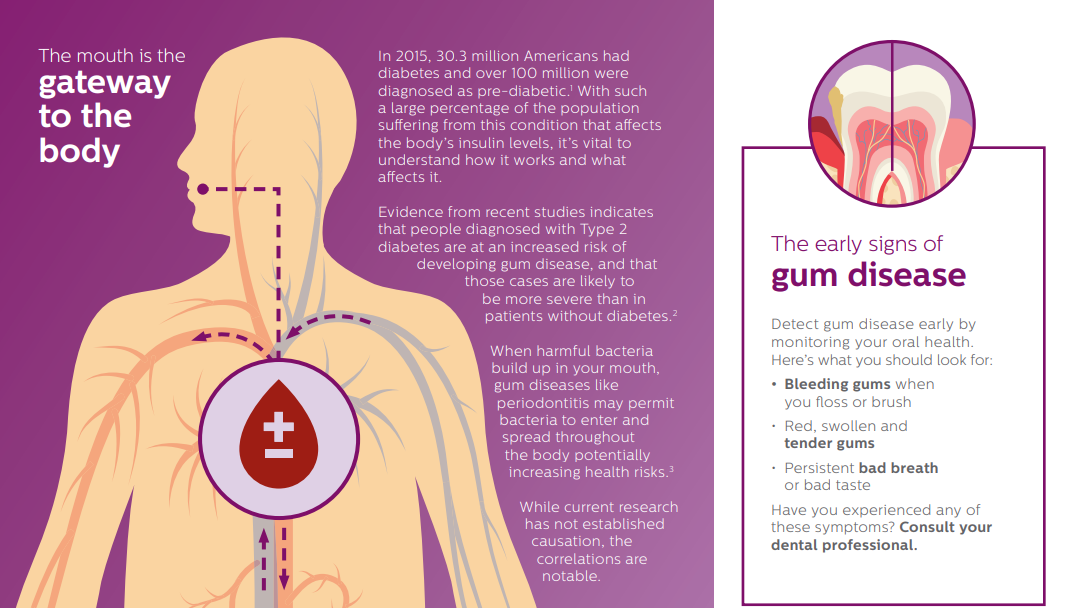
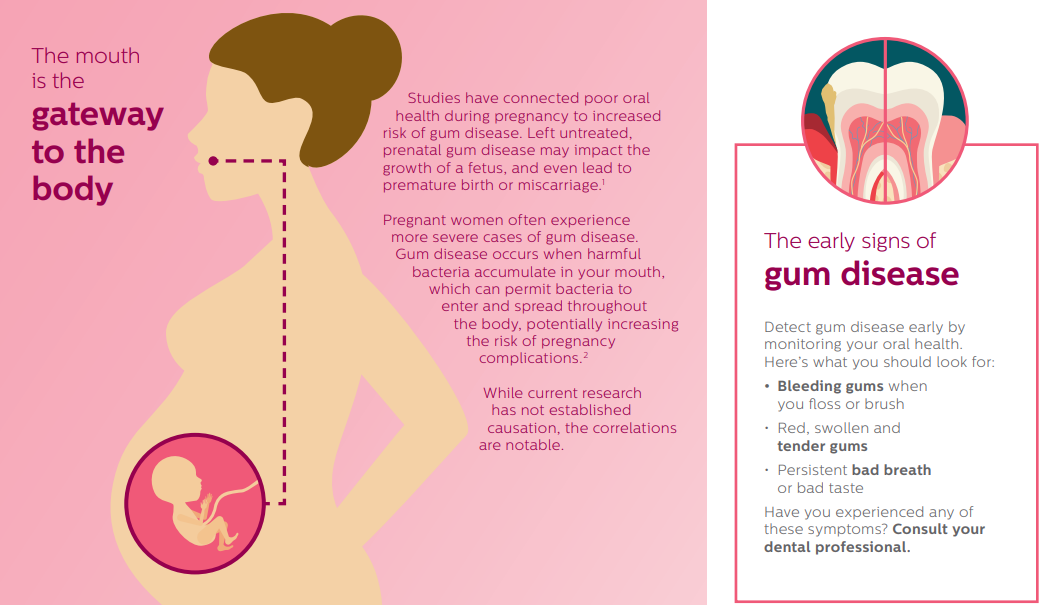
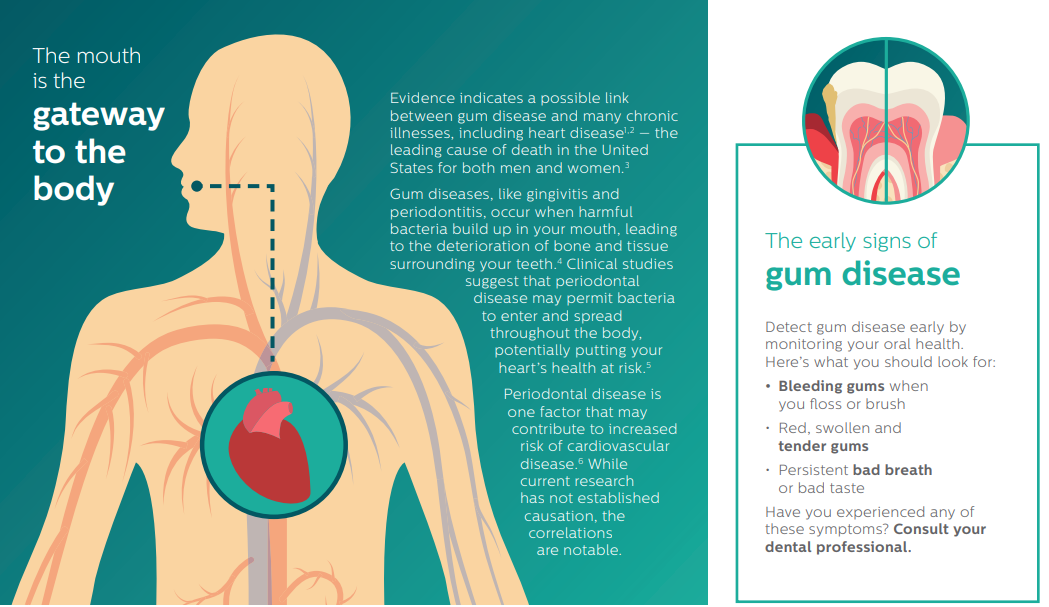
Truth: Gums should not bleed during brushing or flossing. Bleeding is often an early sign of gingivitis, the mildest form of gum disease. Left untreated, gingivitis can progress to periodontitis, leading to serious oral health issues.
Myth 3: Gum Disease Isn’t Serious
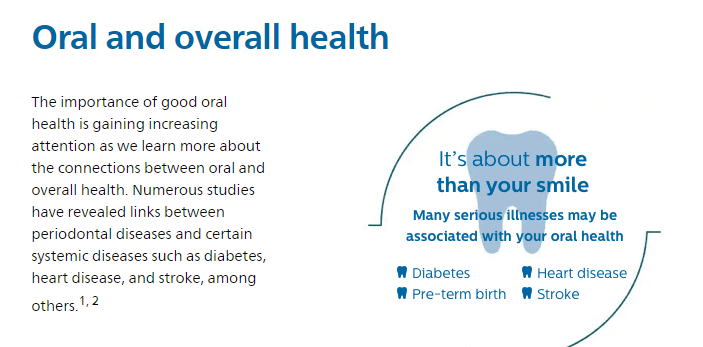
Truth: Gum disease is a significant oral health condition that can result in tooth loss if untreated. Additionally, it’s linked to systemic health problems, including heart disease, diabetes, and respiratory issues. Treating gum disease is essential for your overall well-being.
Myth 4: Brushing More Aggressively Prevents Gum Disease
Truth: Brushing harder doesn’t clean teeth better; it can damage gum tissue and enamel. Use a soft-bristled toothbrush and gentle, circular motions to clean your teeth effectively without causing harm.
Myth 5: Gum Disease Is Caused Only by Poor Oral Hygiene
Truth: While poor oral hygiene is a leading cause, other factors like genetics, hormonal changes, stress, smoking, and certain medications can contribute to gum disease. Even those with good oral hygiene can develop it.
Myth 6: Bad Breath Always Means Gum Disease
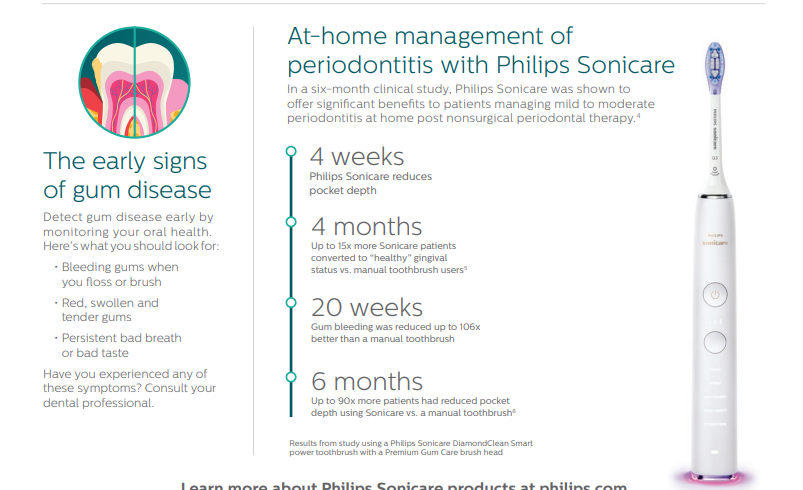
Truth: While persistent bad breath can be a symptom of gum disease, it’s not the only cause. Other factors, such as dry mouth, diet, or gastrointestinal issues, can also contribute. If bad breath persists, consult your dentist or periodontist for an evaluation.
Myth 7: Gum Disease Treatments Are Painful
Truth: Modern periodontal treatments are designed to be as comfortable as possible. Techniques like laser therapy and scaling and root planing are minimally invasive and effective at treating gum disease with minimal discomfort.
Myth 8: Once You Have Gum Disease, There’s No Cure
Truth: While advanced gum disease (periodontitis) may not be reversible, it is manageable with professional care and a commitment to oral hygiene. Early-stage gum disease (gingivitis) is reversible with timely treatment.
How to Protect Your Gums
- Brush and floss daily to remove plaque buildup.
- Schedule regular dental check-ups and cleanings.
- Avoid smoking and maintain a healthy diet.
- Address symptoms like bleeding gums or bad breath early by consulting a dental professional.
Understanding the truth about gum disease is essential for maintaining your oral and overall health. By debunking dental myths, you can make informed decisions about your periodontal care and seek treatment when needed.
Contact Britten Periodontics and Implant Dentistry today to learn more about gum disease prevention and treatment. Your smile – and your health – deserve it.