
• (727) 586-2681
  • 1472 Jordan Hills Court, Clearwater, FL 33756

stages of gum disease

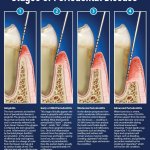
Diagram showing how gum disease progresses, starting with plaque buildup and advancing to bone loss and tooth loss.

This animation shows what happens beneath the surface when periodontal (gum) disease is left untreated.

How Gum Disease Develops Step by Step

Many people feel shocked when they hear they have gum disease, especially if nothing hurts. Understanding how gum disease develops helps explain why early care matters so much and why waiting can cost you teeth.

It Starts With Plaque and Bacteria

Plaque forms on teeth every day. When it sits along the gumline, bacteria multiply quickly. At first, brushing and flossing may cause mild bleeding. However, this early warning often goes ignored. As plaque hardens into tartar, it becomes harder to remove with home care alone.

Inflammation Creates Hidden Damage

Next, inflammation sets in. The gums begin to swell and pull away from the teeth, forming small pockets. These pockets trap more bacteria, which makes cleaning even harder. Meanwhile, the infection moves deeper below the surface, even though you may not feel pain.

Bone and Tissue Begin to Break Down

Over time, the pockets deepen as the supporting bone and tissue break down. As a result, teeth lose the foundation that keeps them stable. Chewing may feel different, teeth may shift, and sensitivity can increase. Eventually, the tooth becomes loose.

Tooth Loss Is the Final Stage

Without treatment, the tooth can no longer stay in place and may fall out or need removal. This progression often happens quietly, which is why gum disease gets called a silent problem.

The good news is that early diagnosis can change the outcome. With non-surgical periodontal therapy, regular periodontal maintenance visits, and consistent home care, this process can often slow or stop. Knowing how gum disease develops empowers you to act before permanent damage occurs. Prevention and early care protect your smile long-term.

Gingivitis
The first stage of periodontal disease is gingivitis. It is an inflammation of the gingiva or gums and is characterized by red, tender, swollen gums, and halitosis or bad breath. It is a mild form of gum disease that can usually be reversed with daily brushing and flossing, cleaning by a dentist or dental hygienist, healthy nutrition and the cessation of smoking. This form of gum disease does not involve any loss of bone and tissue that hold the teeth in place. Untreated gingivitis can lead to periodontitis.

Periodontitis
The next stage of periodontal disease is periodontitis. It causes irreversible damage to the bone and connective tissue that support the teeth in the mouth. As it progresses the pockets deepen and the body’s immune system initiates an inflammatory response in which the body in essence turns on itself and the bone and connective tissue that hold the teeth in place are broken down and destroyed. If not treated the teeth may eventually become loose and need to be removed. While the initial cause of gum disease is bacterial plaque, there are other risk factors making one susceptible to periodontal disease:

Risk Factors
Smoking
Smoking is one of the most significant risk factors associated with the development of gum disease, and can lower the chances for successful treatment.
Hormonal changes
Hormonal changes in girls and women can make the tissue more sensitive and make it easier for gingivitis to develop. This includes puberty, menopause, and pregnancy.
Diabetes
Diabetes lowers the body’s immune system, making it easier for people to develop infections including gum disease.
Medications
Medications can affect the flow of the saliva which makes the oral tissues vulnerable to infections. Some medications can cause abnormal overgrowth of the gum tissue which makes it difficult to keep the teeth and gum tissue clean.

For more information, visit: https://brittenperio.com/oral-health/periodontal-disease/

[iphorm id=”3″ name=”Contact form”]

Back to Blog

appointment

Categories