• (727) 586-2681
  • 1472 Jordan Hills Court, Clearwater, FL 33756

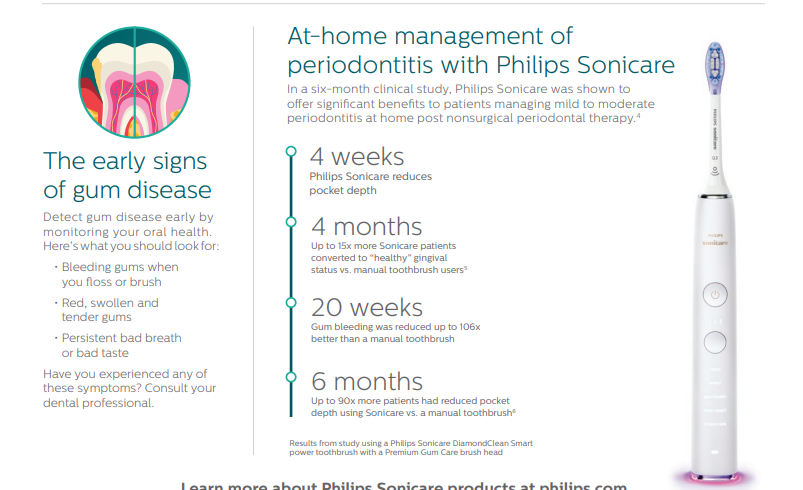
early signs of gum disease

Illustration showing gum disease without pain, with healthy-looking teeth above the gumline and hidden inflammation and tartar buildup revealed below, featuring the Britten Periodontics and Implant Dentistry logo.

Many patients feel shocked when diagnosed because they had no discomfort. Gum disease without pain is extremely common, especially in the early and moderate stages. Unfortunately, that silence allows damage to progress unnoticed.

Why Pain Is Not an Early Symptom

Gum disease starts with inflammation, not nerve pain. The gums respond to bacteria with swelling and bleeding rather than sharp discomfort. Meanwhile, infection can spread below the surface without triggering strong warning signals.

Subtle Signs People Miss

Although pain may be absent, small changes often appear. Bleeding during brushing, bad breath, or gums pulling away from teeth are early clues. In addition, teeth may look longer as the gums recede. Because these changes happen gradually, they often feel “normal” over time.

What Happens If It’s Ignored

As gum disease advances, the supporting bone begins to break down. At this stage, teeth may loosen or shift. Unfortunately, pain often appears only after significant damage occurs. By then, treatment becomes more complex.

The Importance of Routine Exams

Regular dental visits allow providers to measure gum pockets and detect inflammation early. Periodontal evaluations catch disease long before pain starts. Early treatment protects bone, stabilizes gums, and reduces the need for surgical procedures.

Because gum disease without pain progresses quietly, prevention and routine care remain the strongest defense for long-term oral health.
Early signs of gum disease shown with healthy-looking gums and toothbrush, featuring the Britten Perio logo and educational text about bleeding, tender gums, and bad breath.

If you’ve noticed bleeding when you brush, you might be seeing the early signs of gum disease. Many people shrug it off as “brushing too hard,” but your gums rarely bleed for fun. The good news is that you can catch gum issues early and turn things around with the right care.

Bleeding, Puffiness, and Bad Breath

Healthy gums usually look pink and feel firm. However, inflammation can creep in quietly. For example, you may see redness along the gumline, swelling, or tenderness when you floss. Meanwhile, chronic bad breath can show up when bacteria collect under the gums. Also, if your gums pull away from your teeth, teeth can look “longer” even though they did not grow.

Changes You Can Feel

Sometimes the first clue is a feeling, not a look. Your bite may feel “off,” or you may notice sensitivity near the gumline. In addition, food trapping between teeth can increase if the gums lose their snug seal. Therefore, if something feels different for more than a week or two, it’s worth taking seriously.

What to Do Next

Start with the basics: brush gently twice a day, floss daily, and use an antibacterial rinse if your dentist recommends it. Still, home care cannot remove hardened tartar below the gums. So schedule an evaluation, especially if bleeding persists. At Britten Perio, we focus on diagnosing the cause and building a plan that fits your needs, whether that means a deep cleaning, targeted therapy, or a maintenance schedule.

Catching the problem early protects bone, saves teeth, and lowers the odds of bigger procedures later. As a result, acting on the early signs of gum disease can be one of the smartest moves you make for your mouth.

Woman visiting Britten Periodontics in Clearwater, Florida

The Importance of Gum Health: Understanding Periodontal Disease

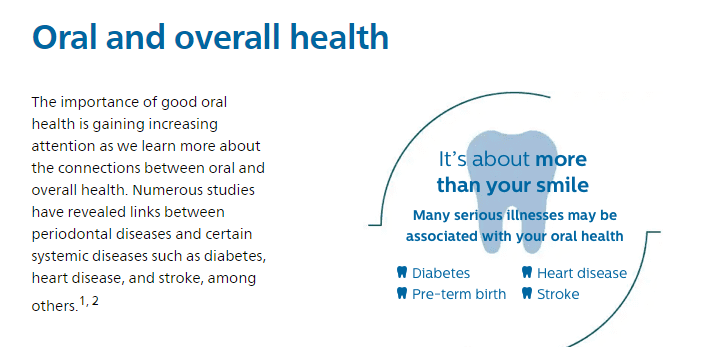
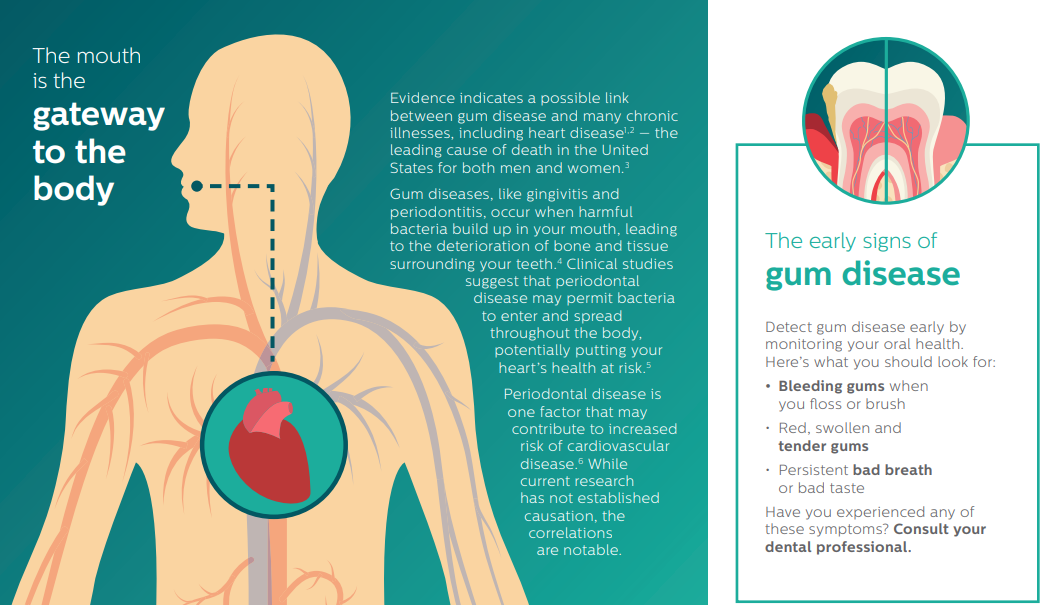
Gum health is often overlooked, yet it plays a crucial role in our overall well-being. Periodontal disease, commonly known as gum disease is a prevalent condition that affects millions of people worldwide. Periodontal disease is a chronic inflammatory condition that affects the tissues surrounding the teeth. It typically begins with gingivitis, characterized by red, swollen gums that bleed easily. Without proper treatment, gingivitis can lead to periodontitis, where the infection spreads deeper into the gums and bone supporting the teeth. This can eventually lead to tooth loss if left untreated.

Some Risk Factors for Periodontal Disease

  • Poor oral hygiene
  • Smoking and Tobacco Use
  • Genetic factors
  • Certain medications
  • Underlying health conditions such as diabetes

Signs and Symptoms

  • Red and swollen gums
  • Persisten bad breath
  • Gums that bleed during brushing or flossing
  • Receding gums
  • Loose or shifting teeth

Complications of Untreated Periodontal Disease

  • Increased risk of systemic conditions such as cardiovascular disease, diabetes, respiratory infections, and adverse pregnancy outcomes
  • Toothloss
  • Jawbone deterioration
  • Significant impact on quality of life

Prevention and Treatment:

  • Proper Oral Hygiene: Brushing and interproximal care between the teeth with floss, proxabrushes or softpicks
  • Regular dental checkups and hygiene maintenance
  • Balanced Diet
  • Avoiding tobacco
  • Managing underlying health conditions

If diagnosed with gum disease, your dentist may recommend professional cleanings, scaling and root planing, antibiotic therapy, or surgical interventions to restore gum health and prevent further damage.

Gum health is a cornerstone of overall wellness, and understanding periodontal disease is essential for maintaining a healthy smile and body. By prioritizing oral hygiene, adopting healthy lifestyle habits, and seeking timely dental care, you can safeguard your gums and reduce your risk of gum disease and its associated complications. Remember, your smile is worth protecting, so invest in your gum health today for a brighter tomorrow!

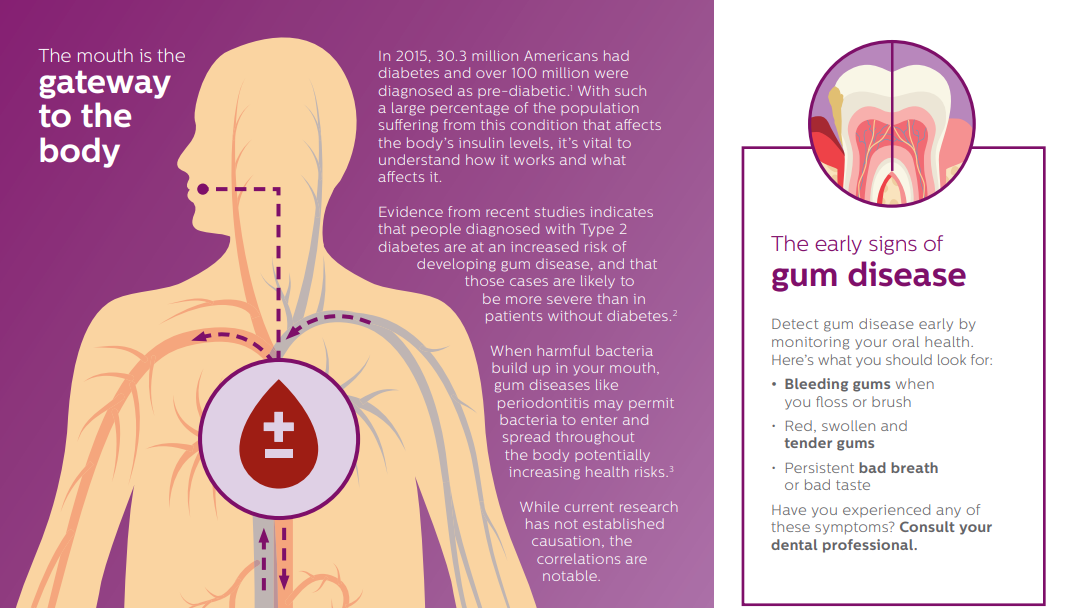
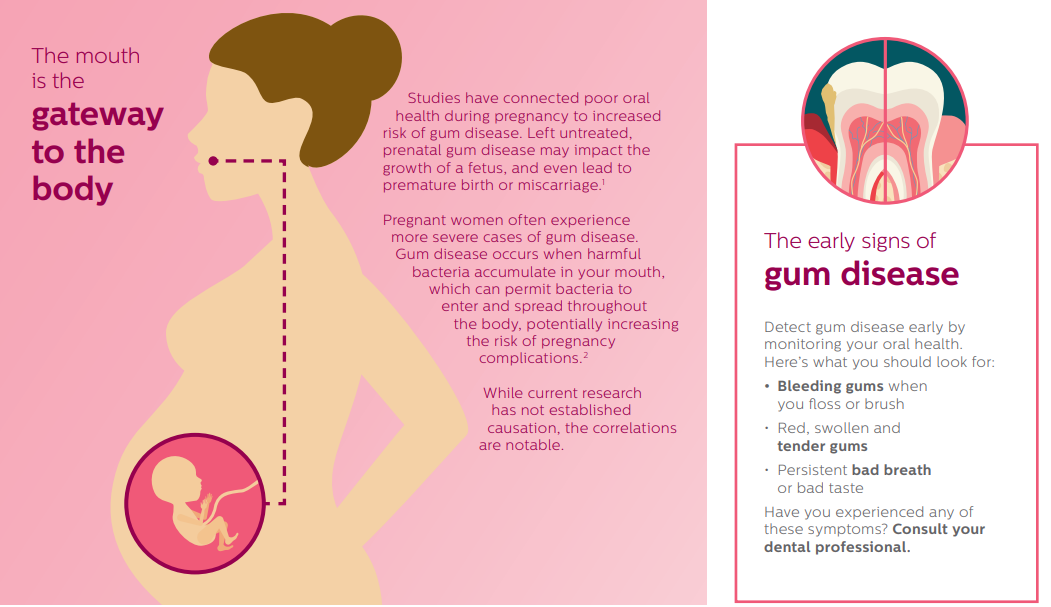
Illustration of how the mouth is the gateway to the body at Britten Periodontics in Clearwater, FL

Back to Blog

appointment