
• (727) 586-2681
  • 1472 Jordan Hills Court, Clearwater, FL 33756

oral health

Smiling couple visiting Britten Periodontics in Clearwater, Florida

Mouth – Body Connection

Research studies have shown that there is a strong association between periodontal disease and other chronic conditions such as diabetes, heart disease, pregnancy complications and respiratory disease.

Periodontal disease is characterized by chronic inflammation of the gum tissue, periodontal infection below the gum line and a presence of disease-causing bacteria in the oral region.  Halting the progression of periodontal disease and maintaining excellent standards of oral hygiene will not only reduce the risk of gum disease and bone loss, but also reduce the chances of developing other serious illnesses.

Common cofactors associated with periodontal disease:

Diabetes

A research study has shown that individuals with pre-existing diabetic conditions are more likely to either have, or be more susceptible to periodontal disease.  Periodontal disease can increase blood sugar levels which makes controlling the amount of glucose in the blood difficult.  This factor alone can increase the risk of serious diabetic complications.  Conversely, diabetes thickens blood vessels and therefore makes it harder for the mouth to rid itself of excess sugar.  Excess sugar in the mouth creates a breeding ground for the types of oral bacteria that cause gum disease.

Heart Disease

There are several theories which explain the link between heart disease and periodontitis.  One such theory is that the oral bacteria strains which exacerbate periodontal disease attach themselves to the coronary arteries when they enter the bloodstream.  This in turn contributes to both blood clot formation and the narrowing of the coronary arteries, possibly leading to a heart attack.

A second possibility is that the inflammation caused by periodontal disease causes a significant plaque build up.  This can swell the arteries and worsen pre-existing heart conditions.  An article published by the American Academy of Periodontology suggests that patients whose bodies react to periodontal bacteria have an increased risk of developing heart disease.

Pregnancy Complications

Women in general are at increased risk of developing periodontal disease because of hormone fluctuations that occur during puberty, pregnancy and menopause.  Research suggests that pregnant women suffering from periodontal disease are more at risk of preeclampsia and delivering underweight, premature babies.

Periodontitis increases levels of prostaglandin, which is one of the labor-inducing chemicals.  Elevated levels prostaglandin may trigger premature labor, and increase the chances of delivering an underweight baby.  Periodontal disease also elevates C-reactive proteins (which have previously been linked to heart disease).  Heightened levels of these proteins can amplify the inflammatory response of the body and increase the chances of preeclampsia and low birth weight babies.

Respiratory Disease

Oral bacterium linked with gum disease has been shown to possibly cause or worsen conditions such as emphysema, pneumonia and Chronic Obstructive Pulmonary Disease (COPD).  Oral bacteria can be drawn into the lower respiratory tract during the course of normal inhalation and colonize; causing bacterial infections.  Studies have shown that the repeated infections which characterize COPD may be linked with periodontitis.

In addition to the bacterial risk, inflammation in gum tissue can lead to severe inflammation in the lining of the lungs, which aggravates pneumonia.  Individuals who suffer from chronic or persistent respiratory issues generally have low immunity.  This means that bacteria can readily colonize beneath the gum line unchallenged by body’s immune system.
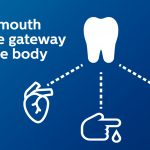
Illustration of how the mouth is the gateway to the body at Britten Periodontics in Clearwater, FL
Did you know? Many serious illnesses may be associated with your oral health.
 
Taking good care of your oral health benefits so much more than just your mouth. That’s why building healthy habits—and sticking to them—is vital. Clinical studies have shown links between poor oral health and pregnancy, Type 2 diabetes and heart disease, so keeping gum disease in check is a key part of looking after your overall wellness.
Get to know the early signs of gum disease
-Bleeding gums when you floss or brush
-Red, swollen and tender gums
-Persistent bad breath or taste
 
Experiencing any of these symptoms? Give us a call to set up an appointment.
 
Small steps with a big impact:
 
BRUSH
The right tools and techniques make all the difference—talk with us about how to improve your brushing.
INTERDENTAL CLEANING
The spaces in between your teeth are home to harmful bacteria, so clean them thoroughly for healthy gums.
CHECK-UPS
Even with the best at-home care, you should see your dentist and dental hygienist at your personalized recommended intervals.
Oral hygiene instructions by Dr. Todd Britten, Clearwater periodontist
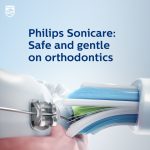
Studies show power toothbrushes are much more effective at cleaning teeth by removing plaque and stain effectively, particularly for those who have a history of tooth decay, gum disease, difficulty brushing or who have limited manual dexterity. Dr. Britten highly recommends the Sonicare® powerbrush, as it is shaped like a traditional toothbrush head, and aids in effective plaque removal and gum stimulation and massage.
 
Watch this quick video on why Sonicare is such a great brush!
 
Simple Oral Hygiene Tips:
  • Brush your teeth twice a day for two minutes.
  • Clean in between your teeth thoroughly to remove harmful bacteria.
  • Replace your brush head every three months for optimal results.
  • Visit the dental office regularly to monitor and address your periodontitis.
Oral hygiene instructions by Dr. Todd Britten, Clearwater periodontist
We work with excellent local orthodontists to help keep our patients’ gum health in great shape during orthodontic treatment. From patients who may need tissue grafting to patients with more complex oral health issues such as periodontal disease or dental implants, we work closely with our local specialists to keep our patients’ gums healthy at any age!
 
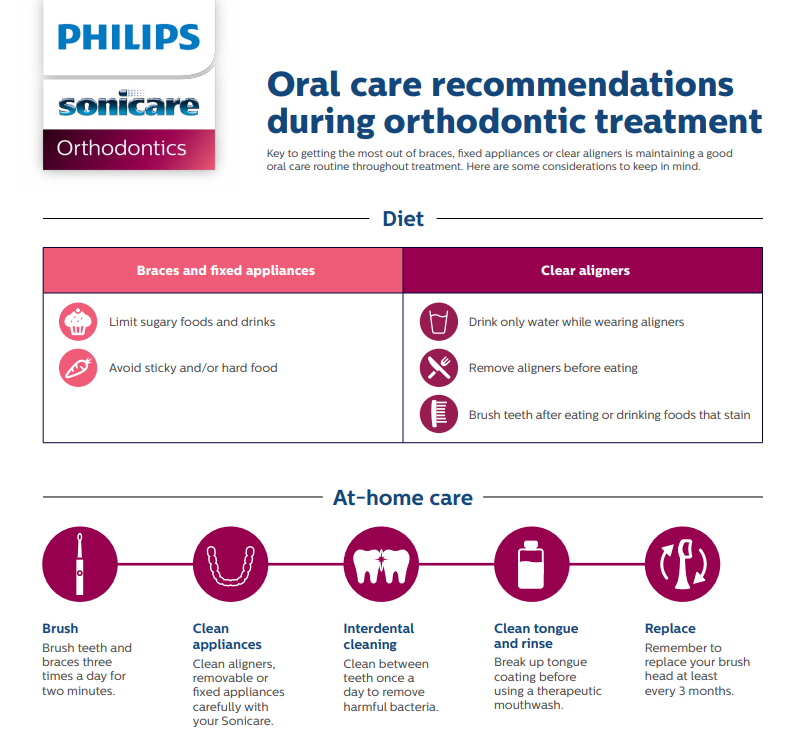
Tips for maintaining oral health during ortho treatment
 
1. Brush your teeth twice a day for two minutes. The right tool and technique make all the difference.
 
2. Clean aligners, removable or fixed appliances carefully with your Sonicare.
3. The spaces in between your teeth are home to harmful bacteria, so clean them thoroughly for healthy gums.
 
4. Break up tongue coating before using a therapeutic mouthwash that reduces bacteria responsible for gum disease and bad breath.
 
5. Replace your brush head every three months for optimal results.
Oral hygiene instructions by Dr. Todd Britten, Clearwater periodontist

In order to achieve successful treatment results we must work together. Oral health goals are best reached when you, the patient, is actively involved in treatment through excellent compliance!

MORNING

  1. After eating breakfast, brush for at least 2 minutes with your Sonicare Powerbrush using a fluoride toothpaste. (If using Clinpro 5000 prescription Toothpaste: Do not rinse with water; no eating/drinking for 30 minutes)
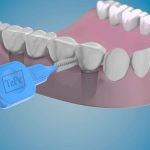
  2. Clean between your teeth using one or more of the following:  Softpicks (original, advanced/curved, wide), proxabrushes (tight, moderate, wide, extra wide) or unwaxed floss.  If you have bridges or implants, you should also use: Proxysoft Bridge & Implant Floss, GUM EasyThread Floss, or Floss Threaders. You may be instructed to dip your proxabrushes or floss in Peridex (prescription chlorhexidine mouthwash) , Clinpro Toothpaste (prescription fluoride toothpaste) or another over-the-counter antibacterial or fluoride rinse.  *Talk to your dentist or dental hygienist about the ideal interdental aides, prescriptions, toothpaste, or over the counter rinses for you!

MID-DAY (and after meals)

  1. Brush for at least 2 minutes with your Sonicare Powerbrush using a
  2. Perform interproximal care using the above recommended tools

EVENING

  1. After eating & before bedtime, again brush for at least 2 minutes with your Sonicare Powerbrush using a fluoride toothpaste. (If using Clinpro 5000 prescription Toothpaste: Do not rinse with water; Leave Clinpro on teeth all night!)
  2. Clean between your teeth using one or more of the following:  Softpicks (original, advanced/curved, wide), proxabrushes (tight, moderate, wide, extra wide) or unwaxed floss.  If you have bridges or implants, you should also use: Proxysoft Bridge & Implant Floss, GUM EasyThread Floss, or Floss Threaders. You may be instructed to dip your proxabrushes or floss in Peridex (prescription chlorhexidine mouthwash) , Clinpro Toothpaste (prescription fluoride toothpaste) or another over-the-counter antibacterial or fluoride rinse.  *Talk to your dentist or dental hygienist about the ideal interdental aides, prescriptions, toothpaste, or over the counter rinses for you!

OTHER COMMONLY RECOMMENDED SPECIAL TOOLS:
TEPE Compact Tufted Brush: Great for around gumline of all teeth and dental implants, hard to reach surfaces

TEPE Universal Care Brush: Great for under fixed implant appliances, dental implants or hard-to-reach surfaces

Rubbertip stimulator: Use around gumline to remove plaque and tone tissue

Oral hygiene instructions provided by Britten Periodontics in Clearwater, Florida

Care for your dental implants just as well as you would care for your natural teeth. Thorough oral hygiene is necessary to prevent diseases to develop around the implants. With proper home care and regular professional maintenance, you can make your new teeth last throughout life. There are various types of implants which may need different home care.

TePe offers a range of products to make cleaning easier. Your dental professional will help you choose the products to suit your particular needs and preferences.

Mucositis (gum inflammation around implants) and peri-implantitis (bone-loss around implants) is caused by dental plaque. Therefore, it is important to clean all implant surfaces, especially between implants and the adjacent tooth. Pay extra attention to the areas where gums and implant meet. Sometimes this can be hard to see where the implant is, so remember to ask your dental professional exactly where your implants are placed. In case of pain or suspected inflammation, a dental professional should be consulted as well.

Oral health diet instructions provided by Britten Periodontics in Clearwater, Florida

Adding antioxidants to your diet has been shown to fight inflammation naturally and help protect from disease. Chronic inflammatory diseases are becoming more severe and common and currently contribute to more than half of the deaths worldwide. Inflammation is associated with autoimmune diseases like rheumatoid arthritis, cardiovascular diseases like hypertension and heart disease, lung and airway diseases like asthma, metabolic diseases such as type 2 diabetes, mental illnesses like depression, and some forms of cancer such as colon cancer.

Both for oral health and overall health, it is helpful to regularly take antioxidants and/or natural anti-inflammatory items into your diet to help reduce inflammation systemically.

 Anti-inflammatory foods

Not every food (or antioxidant) works for every person but encouraging your patients to include them in their diet could provide them with an extra line of defense.

According to the American Heart Association, the following foods are high in antioxidants or have a high degree of anti-inflammatory effect.

  • Fatty fishes high in omega-3 fatty acids are well known for reducing inflammation. They include fish such as salmon, tuna, sardines, and mackerel. Some of these can be high in mercury, so eating them more than three times per week is generally not recommended.
  • Dark leafy greens. Generally, the darker or more colorful the vegetable, the higher the antioxidative effect. Remember, patients on certain anticoagulants and those with a specific type of kidney stone disease need to limit their intake of some dark leafy greens.
  • Tea is well known for containing many types of antioxidants. Green tea has been shown to have a higher level of antioxidants, but they are present in black and white teas also.
  • Whole grains. One current diet fad is to go “gluten-free.” Unless you have celiac disease or a medically confirmed gluten intolerance whole grains are an important source of protein and fiber in addition to their anti-inflammatory effect on the body. Examples of healthy whole grains include whole-wheat bread, oatmeal, barley, brown rice, and popcorn (with minimal salt and butter).
  • Nuts are full of antioxidants and reduce inflammation. In addition, they are high in fiber which makes you feel full.
  • Ginger. In addition to its anti-inflammatory effect, ginger helps to settle an upset stomach, reduce the effects of motion sickness, and reduces muscle soreness.

Source: Dr. Robert Winter, Spear Digest

Educational graphic on periodontal disease treatment by Britten Periodontics in Clearwater, Florida

The best way to prevent periodontal disease is to take good care of your teeth and gums at home. This includes brushing your teeth after every meal and before bedtime, flossing at least once each day, and seeing your dentist or periodontist for regular exams twice a year. Spending a few minutes a day on preventative measures may save you the time and money of treating periodontal disease!

-Perio.org

Educational graphic on periodontal disease treatment by Britten Periodontics in Clearwater, Florida

A team of international researchers published their findings in the Journal of Clinical Periodontology this month stating that patients with Gum Disease are more likely to have severe complications from COVID-19. 568 patients were studied and those with periodontitis – the most severe form of gum disease – were more likely to experience COVID‐19 complications. These complications included including death, ICU admission, and the need for assisted ventilation.

Dr. Todd Britten, a periodontist in Clearwater, Florida says that this study reinforces what he tells his patients every day – Oral health is extremely important for overall health. “This study, showing that patients with gum disease are at least three times more likely to have severe complications from the COVID-19 virus, shows us that treating and controlling periodontal disease remains extremely important, even in a pandemic.”

Dr. Britten stressed this study shows patients should still continue to see their periodontist or dentist. “Depending on your needs, your dentist or periodontist can treat gum disease infection through surgical or non-surgical therapy.” Dr. Todd Britten also said it is crucial that patients also keep dental hygiene cleaning visits to prevent gum disease and for those who have been treated for gum disease in the past stay on a 3 or 4 month schedule with their dental hygienist to avoid periodontal reinfection.

The findings also show the importance of good oral hygiene care at home during the COVID-19 pandemic, says Dr. Britten. According to the Academy of Periodontics, the nation’s leading organization of periodontists, “systemic inflammation is not only linked with periodontal disease, but to several other respiratory diseases as well.” Dr. James G. Wilson, President of the AAP states that this study linking periodontitis and COVID-19 complications, “Therefore, maintaining healthy teeth and gums in an effort to avoid developing or worsening periodontal disease is absolutely crucial in the midst of a global pandemic like COVID-19, which is also known to trigger an inflammatory response.” Dr. Britten states he emphatically agrees with the AAP.

Oral hygiene instructions provided by Britten Periodontics in Clearwater, Florida

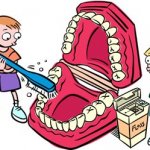
We encourage our patients to find ways to incorporate taking care of your teeth into your day, however you can! Even while watching Netflix, if that is what works for you!

“Interdental cleansing (cleaning between the teeth) is necessary for … optimal oral health. Since most toothbrushes have limited access to proximal (in between) surfaces of teeth… interdental cleansing must be included in dental hygiene care plans. Interdental spaces are areas where bacteria can accumulate, multiply and remain undisturbed.
Undisturbed plaque biofilm can cause gingival inflammation and bleeding and increase the risk for and progression of periodontal disease.” Source: “Interdental Cleansing” by Jacquelyn L. Fried, RDH, MS
Actually, cleaning between your teeth with floss, proxabrushes, softpicks, rubber tip stimulators and watching Netflix at the same time is just fine with us. Dr. Britten and his hygiene team encourage patients to find ways to incorporate taking care of your teeth into your day, however you can!

Back to Blog

appointment