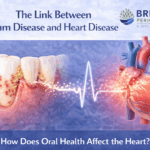
The link between gum disease and heart disease has gained increasing attention in medical and dental research. Inflammation in the gums does not stay confined to the mouth. Instead, it can affect the entire body, including the cardiovascular system, especially when gum disease goes untreated.
What the Connection May Involve
Gum disease allows bacteria and inflammatory signals to enter the bloodstream more easily. Therefore, systemic inflammation can rise. In addition, people with gum disease may share risk factors with heart disease, such as smoking and diabetes. So, the relationship is complex, but it still matters.
Reducing Your Risk Through Oral Health Care
You can’t change genetics, but you can control daily habits. Brush twice a day, clean between teeth, and keep regular dental visits. Meanwhile, if your gums bleed, don’t “wait it out.” Bleeding often signals inflammation that needs professional care. Also, stop smoking if you use it, because it increases risk in both the mouth and the body.
When to See a Periodontist
If you have persistent bleeding, deep pockets, gum recession, or loose teeth, schedule an evaluation. A periodontist can measure gum pockets, review imaging, and build a plan to reduce infection. As a result, you lower the bacterial load and support healthier tissues.
At Britten Perio, we focus on prevention and stability because the mouth isn’t separate from the rest of you. Studies continue to explore the link between gum disease and heart disease, especially how chronic inflammation may contribute to cardiovascular risk. If you’re concerned about the link between gum disease and heart disease, start by getting your gums assessed and making a plan you can maintain.
Why Prevention Matters for Oral and Heart Health
Maintaining healthy gums may play a role in supporting heart health. Daily brushing and flossing help reduce plaque buildup and inflammation. In addition, regular professional cleanings allow dental providers to monitor gum health and address problems early. While treating gum disease does not replace medical heart care, reducing oral inflammation may lower overall inflammatory burden in the body. Coordinated care between dental and medical providers supports long-term wellness.