• (727) 586-2681
  • 1472 Jordan Hills Court, Clearwater, FL 33756

periodontist

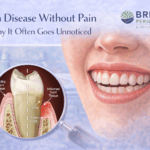
Informative graphic from Britten Periodontics explaining what patients need to know about Lichen Planus, including symptoms and treatment options.

If you’ve noticed sores or white ulcerations in your mouth, it’s possible you have a non-contagious disease known as Lichen Planus.  Many patients do not even realize they have it because it may cause no noticeable symptoms.  Many times, you may not even be aware you have the condition unless pointed out during a dental exam.  Although usually benign, it’s still a good idea to have it examined and monitored.  

The lesions of Lichen Planus are similar in appearance to lichen, the algae and fungi organism often found on rocks and trees. It’s believed to be an autoimmune disease, in which the body treats some of its own cells as foreign and reacts adversely to them. Certain medications and substances may also cause a lichenoid reaction. Besides the inner cheeks, gums or tongue, Lichen Planus may also appear on other skin or mucous surfaces on the wrists, legs or fingernails.

Inside the mouth it usually resembles a lacy pattern of white lines or ulceration. Gum tissues may become red and inflamed, with some soreness after brushing or eating. Sometimes it has ulcerations that come along with it.  Although there’s no known cure for Lichen Planus, it rarely causes serious problems.  It may even fade away on its own in time.  Chances are if you have a case of Lichen Planus it isn’t causing you any problems. If it does cause you discomfort, you can take steps to ease your symptoms.

If the lesions do become uncomfortable (painful, itchy or overly-sensitive), we recommend brushing with a soft toothbrush, flossing with soft woven floss (to avoid irritating or traumatizing the tissues).  Effective plaque control is important to keep the condition under control.  It may also be smart to avoid acidic or spicy foods and beverages which have been known to cause flare-ups. Managing stress is also helpful, and a topical steroid may be prescribed for more severe outbreaks.

Perhaps the greatest concern with Lichen Planus, though, is it may resemble more serious conditions, particularly oral cancer. The only way to be certain that it is a benign condition is to perform a biopsy on some of the affected tissue. If you notice a problem, be sure to visit us for a complete examination. And regardless of whether you have the condition or not, regular oral cancer screenings, as well as limits on alcohol consumption and stopping use of tobacco, will also reduce your risk of oral cancer.

 If you would like more information on Lichen Planus and similar oral conditions, please contact us or schedule an appointment for a consultation.

[iphorm id=”3″ name=”Contact form”]

Warning signs indicating the need for immediate consultation with a periodontist about dental implants, from Britten Periodontics

Dental implants can dramatically improve the appearance and health of your smile.  If you have one or more dental implants in your mouth, it is important to be on the lookout for the signs of peri-implant disease. Bleeding gums, gingivitis, and other issues can be even more severe in dental implant patients. Read more for the signs that you should see a periodontist about your dental implants.

Swollen or Red Gums

Pay careful attention to the health and condition of the gums that surround the implant site. Swollen or red gums are among the first signs that you are developing peri-implant disease. If you notice bleeding when touching, flossing or brushing your implant, that is something to get checked. A periodontist will be able to help you care for your gums and make sure that your dental implant is in good condition.

Pain When Eating or Chewing

A healthy implant will not cause pain or discomfort when you are chewing, eating, or swallowing. You should see a periodontist if you start to experience any of these symptoms around your dental implant. Swollen and inflamed gums can cause pain and discomfort around the implant area. Treating your gums will help you restore comfort to your entire mouth.

Shifting or Crooked Teeth

Periodontal disease can cause your teeth around the implant to shift out of place over time. If you have started to notice that your implant has moved from its original position, it may be time to make a trip to the periodontist. Your periodontist can treat your gums and ensure that your implant has a healthy and properly placed position in your smile.

[iphorm id=”3″ name=”Contact form”]
 

Dr. Todd Britten at Britten Periodontics employs advanced technology for bone grafting to prepare for dental implants

Dental implants are often used to replace teeth, but when there is not enough jaw bone to hold the implants, a dental bone grafting procedure may have to be done first.

“After the loss of a tooth, the jawbone recedes, or becomes indented. Bone grafting allows us to fill in this space to have enough bone to place a dental implant.”

For patients with missing teeth who need additional jaw bone support for the placement of dental implants, a periodontal regenerative procedure, or bone grafting must first be performed. Dr. Britten, an implant specialist and periodontist in Clearwater, Florida, also provides the latest technology and techniques in ridge augmentation, ridge preservation, sinus lift or sinus augmentation procedures for patients missing teeth to be able to have dental implants.

Dental bone grafts can come from multiple sources. Autogenous grafts come from the patient, allografts are taken from a bone bank where human bone from cadavers has been donated, and xenografts are taken from animal bone. Local anesthesia is all that is needed in most cases. The new bone is surgically placed in the jaw area where it is deficient in bone and transplanted where the dental implants will be located.

Sometimes Leukocyte Rich Platelet Rich Fibrin is used in addition to bone grafting. (L- PRF) is a by-product of a patient’s own blood that can help healing after dental procedures such as a tooth extraction, as well as promote healing around bone or tissue grafts and dental implants. L-PRF treatments are often used for greater success for necessary procedures for dental implant placement, including socket bone grafts, sinus lifts, ridge augmentation, correcting peri-implantitis, block bone grafts and extraction sites prior to implant placement. Dr. Britten provides both of these technologies in his Clearwater, Florida periodontal practice.

The dental bone graft, or periodontal regeneration procedure, must be allowed to heal completely prior to other procedures, such as the placement of dental implants. This will generally take about four to six months. Once the area has completely healed, the patient can be reevaluated for the placement of dental implants.

Britten Periodontics & Implant Dentistry is a periodontal practice offering patients personalized dental care in implant dentistry in Clearwater, Florida. Dr. Todd Britten received his Bachelor of Science & Doctorate of Dental Surgery from University of Florida, a Master’s Degree and Certificate in Periodontology and Implant Dentistry; and completed extensive training at the Institute of Advanced Laser Dentistry. He is one of the only board-certified periodontists in Pinellas County. He is a member of the American Academy of Periodontology, American Dental Association, Florida Association of Periodontists, Upper Pinellas County Dental Association, Hillsborough County Dental Association, Hillsborough County Dental Research Association and Florida West Coast Dental Association.

Patients interested in these procedures can get additional information by calling 727-586-2681.

Informational guide for patients on maintaining implant health and periodontal care.

When teeth need to be replaced, dental implants are a wonderful option for many people. Just like natural teeth, however, there is no guarantee a person’s dental implant(s) will last a lifetime. Although they may look bionic in pictures, a dental implant still needs careful monitoring and regular care. True, they cannot decay like natural teeth – but they are subject to the same complications of gum disease and bone loss.

There are two categories of peri-implant complications: Peri-Implant Mucositis and Peri-Implantitis.

Peri-Implant Mucositis: This condition is similar to gingivitis around a natural tooth and does not include loss of attachment (bone or gum tissue) and is hopefully reversible at this stage. Peri-Implant Mucositis is a reversible inflammatory reaction in the soft tissues surrounding a functioning implant. Treating this condition as soon as possible will prevent peri-implantitis!

Peri-Implantitis: This is a condition similar to periodontitis with loss of supporting structures (gum and/or bone) around a natural tooth. Peri-Implantitis is a destructive inflammatory reaction affecting the soft (gingiva) and hard (bone).

Checking for implant health

Upon routine examination, Dr. Britten, your general dentist or dental hygienist will evaluate your implant for plaque or tartar build up around the implant, as well as gum tissue color, texture and type of gum tissue supporting the implant (attached to bone or unattached).

Next, probing measurements will be taken around the implant. Dr. Britten, the dentist or hygienist will use light pressure and a plastic probe. The tissues surrounding dental implants have a weaker attachment, bleed easier, and may be a bit more sensitive to probing. Heavy bleeding, pus, and increased probing measurements will require attention.
We will check both the implant body and its restorative parts, such as the implant abutment or crown for any loose parts. If the restorative parts are loose they can likely be repaired by your restorative dentist or implant specialist, Dr. Todd Britten. If the implant body itself is mobile, it’s an immediate failure and will require removal. Dr. Britten, or your dentist will also check your bite to make sure that the implant is not being hit with excessive pressure, as this could cause the bone surrounding the implant to weaken and the implant body to become loose.

Radiographs, or x-rays, should be taken at different times during the surgical and restorative phase of implant placement. Routine, annual “checkup” x-rays should be taken of the implant to compare to the original ones taken to carefully evaluate bone levels.

The dental hygiene visit includes removal of all soft and hard deposits on the implants, just as on the teeth themselves. Our hygienists often use instruments designed exclusively for implant care. We will then discuss the best daily oral hygiene care plan for your mouth and your dental implant(s). Listen closely to these oral hygiene instructions and customized daily oral hygiene strategies. Just like with natural teeth, biofilm or plaque must be removed skillfully every day because it can cause both infection and inflammation around a dental implant.

Studies show rinsing with Listerine (diluted with water if strong alcohol content is an issue) has its benefits because of its great antibacterial properties. Other great oral hygiene aids for implant care include a power toothbrush (love Sonicare by Phillips), Proxysoft Bridge and Implant Floss (www.proxysoft.com), double-bend end tufted brush for lingual of lower hybrids (Tepe brand). A Waterpik may also be used, but with careful instruction from your dental professional.

Our periodontist, Dr. Todd Britten, will determine a maintenance schedule that is appropriate for you. It is very common for patients with implants to be seen every 3 to 4 months for those with less-than-ideal oral health, advancing age, or systemic conditions.

When complications arise

Peri-Implant mucositis can be treated with non-surgical therapy and daily disease control (effective oral hygiene). This condition should be carefully reevaluated and reassessed. If the issue cannot be resolved in six months, it is advisable to see an implant specialist.

If Peri-Implantitis is diagnosed, non-surgical therapy is typically ineffective. At this stage, it is adviseable to see an implant specialist to see if there is a restorative issue that can be addressed, or if surgical (traditional or laser LAPIP therapy) or implant removal is needed.

Regular dental hygiene care and examination is just as important to dental implant health as it is to natural teeth. If you have any questions regarding the health of your dental implant, contact us today at 727-586-2681 or visit our website at www.brittenperio.com.

Dental implant specialist Dr. Todd Britten

While regular brushing, flossing, and checkups allow many of us to maintain our natural smiles for a lifetime, sometimes our teeth just can’t keep up. If you’ve lost a tooth (or a few teeth) due to injury or disease, dental implants can rejuvenate both your smile and your oral health.

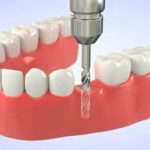
An implant is a synthetic tooth root in the shape of a post that is surgically placed into the jawbone. The “root” is usually made of titanium (the same material used in many replacement hips and knees), a metal that is well suited to pairing with human bone. A replacement tooth is then fixed to the post. The tooth can be either permanently attached or removable. Permanent teeth are more stable and feel more like natural teeth.

The ideal candidate for implants is a non­-smoker who has good oral health, including a sufficient amount of bone in the jaw and healthy gums with no sign of gum disease.

Britten Periodontics & Implant Dentistry is a periodontal practice offering patients personalized dental care in implant dentistry in Clearwater, Florida. Dr. Todd Britten received his Bachelor of Science & Doctorate of Dental Surgery from University of Florida, a Master’s Degree and Certificate in Periodontology and Implant Dentistry; and completed extensive training at the Institute of Advanced Laser Dentistry. He is one of the only board-certified periodontists in Pinellas County. He is a member of the American Academy of Periodontology, American Dental Association, Florida Association of Periodontists, Upper Pinellas County Dental Association, Hillsborough County Dental Association, Hillsborough County Dental Research Association and Florida West Coast Dental Association.

To learn more about Dr. Britten and his dental services, call (727) 586-2681.[iphorm id=”3″ name=”Contact form”]
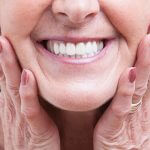
Clearwater FL periodontist Dr. Todd Britten shares how clenching and grinding of teeth contribute to periodontal disease.

Do you ever wake up with an aching jaw, tooth sensitivity or notice that your teeth seem to be shifting or loosening? Clenching or grinding your teeth can put excessive force on the supporting tissues of the teeth and could speed up the rate at which periodontal tissues are destroyed. Teeth grinding or clenching can also cause abnormal wear and tear on the teeth which will prematurely age and loosen them, causing problems such as hypersensitivity (from the small cracks that form, exposing your dentin). Clenching or grinding, known as bruxism, can also lead to chronic jaw and facial pain, as well as headaches.

If no one has told you that you grind your teeth, here are a few clues that you may suffer from bruxism:

Your jaw is sore often, or you hear popping sounds when you open and close your mouth.

Your teeth look short or worn down.

You notice dents in your tongue, especially along the edges.

A common therapy involves use of a special appliance worn while sleeping which your dentist can custom fit for you.

Dr. Britten can evaluate you for evidence of clenching or grinding and make the appropriate recommendation to avoid further damage to your teeth, gums and TMJ.

If you have any questions or concerns about bruxism, please contact our office at 727-586-2681.

Clearwater periodontist explains dental anxiety and phobia, and ways to provide help and comfort

Dental anxiety affects many patients and can hinder them from taking the next step to achieve their oral health care goals.

Dental anxiety and dental phobia are extremely common. Many people have at least some anxiety about visiting the dentist.  But for a patient with a dental phobia, a dental visit can be terrifying. Up to 15 percent of Americans report they avoid seeing the dentist due to severe dental anxiety or dental phobia.  Some people will put off dental care for years or sometimes even decades! This can lead to advanced gum infections (periodontal disease), pain, or even broken or decayed teeth.  The price of dental phobia can include a higher risk of gum disease and can lead to tooth loss. Other people have to live with a loss of self-esteem or reduced quality of life due to embarrassment over how their smile looks, inability to eat well, or discomfort.

There are many different degrees of dental anxiety or phobia. In the case of a dental phobia, there can be a complete avoidance of the dentist – sometimes for years! Some will go to their appointment, but they may not sleep the night before or feel sick before or during their dental appointment.

When people are feeling tense, they may have a lower threshold for pain and may need extra anesthetic or other pain treatments. They may also suffer from headaches or muscle tension in their back, neck, arms or legs while in the dental chair.

Symptoms of dental phobia or anxiety

  • Tense muscles or trouble sleeping the night before a dental appointment
  • Increasing nervousness or feeling ill while in the waiting room.
  • Feeling like crying or getting overly emotional when you think of going to the dentist.
  • You panic, gag excessively, or have trouble breathing during a dental appointment.

What are the causes?

Those suffering from dental anxiety or phobia report the main triggers as:  pain, a feeling of helplessness and loss of control, embarrassment, or negative past experiences as the cause for their fear of the dental office.

The major triggers of dental anxiety or phobia, and how they may be handled:

Pain – Some people have had a previous dental experience that may have been uncomfortable, had trouble getting numb or have very sensitive teeth or gums.  Some of these experiences may have happened before many of the advances in “pain-free” dentistry.  These days, we have many pain control techniques, analgesics and anesthetics available.

  • Before and during the appointment: different comfort choices can be offered including headphones, music, blanket, a relaxed environment, distraction, mental imaging, sleep mask, breathing techniques, a bite block, or other comfort measures. Dental professionals have different local anesthetic and topical rinses, liquids, sprays or subgingivally applied gels that can be used.  Tooth desensitizing agents are also available.  Your dental professional will be very knowledgeable about what is available and can select the appropriate method based on the type of procedure, length of procedure as well as your individual needs and preferences.
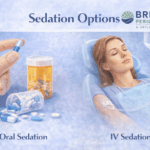
  • For surgical or more intensive procedures, IV conscious sedation or oral sedation is often an option. Sedation dentistry can provide a calming experience for patients who have experienced high levels of anxiety related to dental treatment.  Some dentists are highly trained and certified in IV conscious sedation or oral sedation.

IV CONSCIOUS SEDATION

Intravenous (IV) Sedation helps even our most anxious patients remain relaxed and comfortable during procedures. Many patients feel as though they, “went to sleep” during the sedation. The goal of IV conscious sedation is not to provide general anesthesia but instead to allow patients to remain conscious and relaxed with minimal risk during the procedure.

ORAL SEDATION

A prescription medication can be given that can relieve anxiety patients feel before and during their dental procedure. It allows patients to respond verbally and physically to directions all while in a very “restful” state. Patients using oral sedation will need to be driven to and from the procedure.

  • After the appointment: Warm saltwater rinses, over the counter or prescription pain medications are available to assist in a person’s recovery after the procedure. Having post-appointment care information in writing as well as given verbally is also helpful.

Helplessness or loss of control — in the dental chair, a patient has to stay still, they can’t see what’s going on or predict any potential discomfort.  It’s common for people to feel helpless and out of control, which may trigger anxiety.  A patient’s state of mind is very important especially when one has dental anxiety or phobia.  For some patients, a clear explanation of what procedures will be done, what to expect, and how to indicate if they need the operator to stop or give them a rest can help immensely.

Embarrassment — People may feel ashamed or embarrassed to have a stranger looking in their mouth.  Some people lack self-confidence or are ashamed of how their teeth look, and may be afraid they’ll be judged or ridiculed. Dental care also involves an invasion of a person’s personal space as dental treatments require physical closeness. During a treatment, the hygienist’s or dentist’s face may be just a few inches away. This can make people anxious and uncomfortable.

Negative past experiences — many that have had pain or discomfort during a previous dental procedures, often in childhood, but it could be any other time, are likely to be more anxious.

To cope with dental fear, it is best to tell your dentist about your feelings, concerns and fears so they can help you overcome these feelings by adjusting your comfort and care in the dental office.

Through the specialty of periodontics & implant dentistry, we at Britten Periodontics strive to deliver comfortable care and ethical treatment in a welcoming environment.  Our goal is to deliver exceptional dental care with compassion, using the latest research based techniques. With education and encouragement, our goal create a strong relationship with our patients and a comfortable experience.

Our team members understand that the treatment provided is not always pleasant or comfortable but they possess the personality to make the patient feel at ease in spite of this.   As a team, we partner with other caring healthcare providers to deliver patient treatment with honor and dignity. A healthy, satisfied patient is our ultimate reward!  For our surgical procedures, Dr. Britten is highly trained and certified in both IV conscious sedation and oral sedation. He is one of the few Periodontists in the Tampa Bay area who offers IV sedation.

Britten Periodontics & Implant Dentistry is a periodontal practice offering patients personalized dental care in implant dentistry in Clearwater, Florida. Dr. Todd Britten received his Bachelor of Science & Doctorate of Dental Surgery from University of Florida, a Master’s Degree and Certificate in Periodontology and Implant Dentistry; and completed extensive training at the Institute of Advanced Laser Dentistry. He is one of the only board-certified periodontists in Pinellas County. He is a member of the American Academy of Periodontology, American Dental Association, Florida Association of Periodontists, Upper Pinellas County Dental Association, Hillsborough County Dental Association, Hillsborough County Dental Research Association and Florida West Coast Dental Association.

To learn more about Dr. Britten and his dental services visit his website at https://brittenperio.com or call (727) 586-2681.

Veteran's Day event at Britten Perio honoring military veterans.

Dr. Todd M. Britten and his staff at Britten Periodontics & Implant Dentistry are gearing up for their 2nd annual Free Dental Day for Veterans. The event will be held in Dr. Britten’s Clearwater office on Friday November 11, 2016.

Last year was the inaugural event and it was a great success. Dr. Britten, his staff, as well as volunteers from Clearwater Dental Associates and Britten Dental Associates worked together to provide four very deserving veterans with periodontal and general dental care. When asked about the previous event Dr. Britten said, “It was such a great feeling to help these patients’ oral health improve and help them keep teeth that they were in danger of losing. Veterans and their families make so many sacrifices for us all and we were so honored we were able to give something back to them.”

For one veteran in particular, treatment included IV sedation (due to the need for extensive treatment and intense dental phobia), extraction of all of this patient’s remaining teeth which were badly broken and excessive bone growth throughout his mouth. Dr. Jim Hayslett of Clearwater Dental helped Dr. Britten restore this patient’s smile with complete upper and lower dentures. Dr. Britten stated, “All he wanted to do again was eat a steak dinner. We were able to get a patient out of pain and help him to be able to chew again and smile with confidence.”

Dr. Britten and his staff have been working with The Community Dental Clinic to match patients with periodontal needs with the Clearwater Periodontist’s office. Allison Sapiega, the executive director at the clinic stated, “The Community Dental Clinic has enjoyed the privilege of working with Britten Periodontics for the last few years on their Free Dental Event for Veterans. We are so proud to call them a community partner as we strive together to serve those that fall into the dental services gap. Nearly 95% of veterans are without dental coverage, so events like Britten Periodontics’ Free Dental Day for Veterans are imperative in serving those that have served us.”

Dr. Todd Britten explained how glad he is to be doing this the second year in a row and would like to do it annually for the entirety of his career. When asked why this is a cause so near and dear to his heart he stated that his grandfathers and uncles served in the military and giving back to veterans in need is a top priority for him. Dr. Britten said, “The entire staff at Britten Periodontics is so grateful to the men and women in the military that make so many sacrifices for our freedom. We are happy to host this annual event, and hope to do it for many years to come.”Screenshot_2016-09-05-08-39-28[17758]

Britten Periodontics & Implant Dentistry is a periodontal practice offering patients personalized dental care in implant dentistry in Clearwater, Florida. Dr. Todd Britten received his Bachelor of Science & Doctorate of Dental Surgery from University of Florida, a Master’s Degree and Certificate in Periodontology and Implant Dentistry; and completed extensive training at the Institute of Advanced Laser Dentistry. He is one of the only board-certified periodontists in Pinellas County. He is a member of the American Academy of Periodontology, American Dental Association, Florida Association of Periodontists, Upper Pinellas County Dental Association, Hillsborough County Dental Association, Hillsborough County Dental Research Association and Florida West Coast Dental Association.

To learn more about Dr. Britten and his dental services visit his website at https://brittenperio.com or call (727) 586-2681.

Back to Blog

appointment

Categories