
Proxabrushes are ideal for periodontal disease care because they effectively clean larger spaces between teeth and around gum pockets where traditional floss may struggle to reach. Their bristles also gently stimulate gums, promoting healing and reducing plaque buildup.
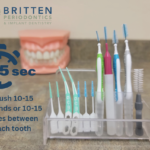
– Choose the Right Size: Select a proxabrush with a size suitable for the spaces between your teeth.
– Insert the Brush: Gently insert the proxabrush into the space between your teeth. Avoid forcing it, as this could damage your gums.
– Angle the Brush: Hold the proxabrush at a slight angle towards the gum line. This helps clean both the tooth surface and the gum area effectively.
– Brush Gently: Move the proxabrush back and forth gently, applying light pressure. Make sure to brush both sides of the gap between the teeth. Repetition is key: Spend 10-15 seconds or 10-15 strokes between each tooth!
– Rinse and Repeat: After brushing, rinse the proxabrush under water to remove debris. Continue this process for each space between your teeth.
-Store Properly: Store the proxabrush in a clean, dry place to prevent bacteria growth.
Incorporating proxabrushes into your daily routine can significantly enhance your oral hygiene, especially if you have periodontal disease! #brittenperio #clearwaterperiodontist #oralhygiene #oralhealth
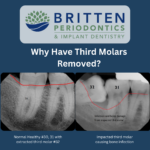
Why You Should Consider Having Your Wisdom Teeth Removed
Are you or someone you know facing the decision of whether to remove your wisdom teeth? Here are some key reasons why getting your third molars (wisdom teeth) removed might be the best choice for your oral health:
– Prevent Crowding and Alignment Issues: Wisdom teeth can push against your other teeth as they emerge, causing crowding and shifting that can undo years of orthodontic work.
– Reduce Risk of Infection and Decay: Partially erupted wisdom teeth are prone to infection and decay because they are hard to clean. Removing them reduces the risk of painful and recurring infections.
– Avoid Cysts and Tumors: Impacted wisdom teeth can lead to the development of cysts and, in rare cases, tumors, which can damage the jawbone and surrounding teeth.
– Alleviate Pain and Discomfort: Impacted wisdom teeth can cause significant pain, swelling, and discomfort in the jaw, gums, and surrounding areas. Removal can provide relief and prevent these issues.
– Prevent Damage to Adjacent Teeth: The pressure from emerging wisdom teeth can damage adjacent molars, leading to cavities, root resorption, and even tooth loss.
– Promote Better Oral Hygiene: Removing wisdom teeth makes it easier to maintain oral hygiene since there are fewer hard-to-reach areas where food and bacteria can get trapped.
– Prevent Future Problems: Many dentists recommend removing wisdom teeth before they cause problems. Early removal can lead to a smoother recovery and fewer complications.
Discuss with your dentist or oral surgeon to determine the best plan for your wisdom teeth. Proactive care can save you from future pain and extensive dental procedures. Your oral health is worth it!
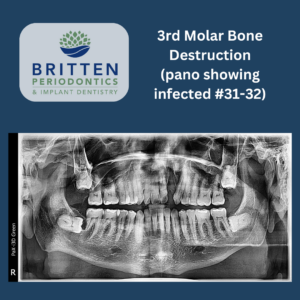

Mouth – Body Connection
Research studies have shown that there is a strong association between periodontal disease and other chronic conditions such as diabetes, heart disease, pregnancy complications and respiratory disease.
Periodontal disease is characterized by chronic inflammation of the gum tissue, periodontal infection below the gum line and a presence of disease-causing bacteria in the oral region. Halting the progression of periodontal disease and maintaining excellent standards of oral hygiene will not only reduce the risk of gum disease and bone loss, but also reduce the chances of developing other serious illnesses.
Common cofactors associated with periodontal disease:
Diabetes
A research study has shown that individuals with pre-existing diabetic conditions are more likely to either have, or be more susceptible to periodontal disease. Periodontal disease can increase blood sugar levels which makes controlling the amount of glucose in the blood difficult. This factor alone can increase the risk of serious diabetic complications. Conversely, diabetes thickens blood vessels and therefore makes it harder for the mouth to rid itself of excess sugar. Excess sugar in the mouth creates a breeding ground for the types of oral bacteria that cause gum disease.
Heart Disease
There are several theories which explain the link between heart disease and periodontitis. One such theory is that the oral bacteria strains which exacerbate periodontal disease attach themselves to the coronary arteries when they enter the bloodstream. This in turn contributes to both blood clot formation and the narrowing of the coronary arteries, possibly leading to a heart attack.
A second possibility is that the inflammation caused by periodontal disease causes a significant plaque build up. This can swell the arteries and worsen pre-existing heart conditions. An article published by the American Academy of Periodontology suggests that patients whose bodies react to periodontal bacteria have an increased risk of developing heart disease.
Pregnancy Complications
Women in general are at increased risk of developing periodontal disease because of hormone fluctuations that occur during puberty, pregnancy and menopause. Research suggests that pregnant women suffering from periodontal disease are more at risk of preeclampsia and delivering underweight, premature babies.
Periodontitis increases levels of prostaglandin, which is one of the labor-inducing chemicals. Elevated levels prostaglandin may trigger premature labor, and increase the chances of delivering an underweight baby. Periodontal disease also elevates C-reactive proteins (which have previously been linked to heart disease). Heightened levels of these proteins can amplify the inflammatory response of the body and increase the chances of preeclampsia and low birth weight babies.
Respiratory Disease
Oral bacterium linked with gum disease has been shown to possibly cause or worsen conditions such as emphysema, pneumonia and Chronic Obstructive Pulmonary Disease (COPD). Oral bacteria can be drawn into the lower respiratory tract during the course of normal inhalation and colonize; causing bacterial infections. Studies have shown that the repeated infections which characterize COPD may be linked with periodontitis.
In addition to the bacterial risk, inflammation in gum tissue can lead to severe inflammation in the lining of the lungs, which aggravates pneumonia. Individuals who suffer from chronic or persistent respiratory issues generally have low immunity. This means that bacteria can readily colonize beneath the gum line unchallenged by body’s immune system.
What do Bleeding Gums Mean?
Problems such as bleeding gums can be a sign that your gumline is not being properly cared for and may need more attention. While you don’t need to panic if you notice that your gums bleed, you do need to take action to help prevent the progression to a more advanced form of gum disease. Most commonly, gingivitis (inflammation of the gums) is the result of plaque – a sticky film of bacteria forming on the teeth around the gumline or under the gums. Plaque bacteria can lead to gum disease, tooth decay, and even tooth loss.
The Most Common Cause of Bleeding Gums
In most cases, gums bleed because of the harmful plaque – and the millions of bacteria in it – found at or around the gumline being left to develop gingivitis. Gingivitis, the early, yet still reversible form of gum disease, may require treatment and an improved oral hygiene routine to help reverse it.
When gingivitis begins to cause irreversible damage to the gum tissues or bone, the diagnosis would be periodontitis, or periodontal disease.
How to Stop Bleeding Gums
There are many ways to help improve your oral health and keep your gums from bleeding. Since gingival bleeding is mainly due to inadequate plaque removal from the teeth at or around the gumline, starting an effective oral hygiene routine is a great way to help treat and prevent your gums from bleeding.
Brush at least twice a day: Make sure to brush the dentist-recommended two minutes every session to better remove any plaque that can lead to gum disease and tooth decay. Consider switching to an electric toothbrush like the Phiips Sonicare
Clean in between your teeth: Flossing, softpicks or using proxabrushes between your teeth at least once or twice a day is one of the most important ways to help prevent bleeding gums and maintain good oral health. It removes plaque and food particles that may be just under the gumline between the teeth, which is where gum disease often starts.
- Avoid Tobacco: Tobacco use of all types can damage your gums and can also make you far more likely to develop gum disease. ***Smoking can mask severe gum disease, as bleeding is minimal or non-existent in smokers, but the damage to the tissues is occurring faster, with the blood supply cut off to help the tissues heal. Also, tar builds up on the teeth and harbors even more harmful plaque bacteria.
- See a Dental Professional Regularly: Harmful plaque bacteria can even lead to issues beyond gingivitis like weakened tooth enamel. Regular dental hygiene visits at your dentist or periodontist’s office will remove plaque and tartar that can’t be removed at home. This will help prevent gums from bleeding and keep your mouth healthy.
- Maintain a Healthy Lifestyle: The American Dental Association (ADA) recommends eating a balanced diet and avoiding between-meal snacking. Also, reducing stress from your life can help prevent gum disease to keep your smile healthy.
Many people are afraid or experience anxiety about going to the dentist, and because of this, some patients will try to go as infrequently as possible. The answer to how often you should see your dentist actually varies, depending on the state of your mouth.
If your teeth and gums are very healthy, you should visit your dentist at least twice a year for dental exams and cleaning. If you have a history of gum disease or other problems, you may need to visit your dental hygienist more often, often anywhere from 3 or 4 up to 6 times a year. Periodontal patients often see their dentist or periodontist every 3 months for hygiene visits, as many studies have shown that more harmful periodontal bacteria repopulate in the mouth in only 11 weeks time.
Frequent dental visits (particularly those for dental cleanings and periodontal maintenance visits) are in your best interest to prevent breakdown of the health of teeth and gums.

Adding antioxidants to your diet has been shown to fight inflammation naturally and help protect from disease. Chronic inflammatory diseases are becoming more severe and common and currently contribute to more than half of the deaths worldwide. Inflammation is associated with autoimmune diseases like rheumatoid arthritis, cardiovascular diseases like hypertension and heart disease, lung and airway diseases like asthma, metabolic diseases such as type 2 diabetes, mental illnesses like depression, and some forms of cancer such as colon cancer.
Both for oral health and overall health, it is helpful to regularly take antioxidants and/or natural anti-inflammatory items into your diet to help reduce inflammation systemically.
Anti-inflammatory foods
Not every food (or antioxidant) works for every person but encouraging your patients to include them in their diet could provide them with an extra line of defense.
According to the American Heart Association, the following foods are high in antioxidants or have a high degree of anti-inflammatory effect.
- Fatty fishes high in omega-3 fatty acids are well known for reducing inflammation. They include fish such as salmon, tuna, sardines, and mackerel. Some of these can be high in mercury, so eating them more than three times per week is generally not recommended.
- Dark leafy greens. Generally, the darker or more colorful the vegetable, the higher the antioxidative effect. Remember, patients on certain anticoagulants and those with a specific type of kidney stone disease need to limit their intake of some dark leafy greens.
- Tea is well known for containing many types of antioxidants. Green tea has been shown to have a higher level of antioxidants, but they are present in black and white teas also.
- Whole grains. One current diet fad is to go “gluten-free.” Unless you have celiac disease or a medically confirmed gluten intolerance whole grains are an important source of protein and fiber in addition to their anti-inflammatory effect on the body. Examples of healthy whole grains include whole-wheat bread, oatmeal, barley, brown rice, and popcorn (with minimal salt and butter).
- Nuts are full of antioxidants and reduce inflammation. In addition, they are high in fiber which makes you feel full.
- Ginger. In addition to its anti-inflammatory effect, ginger helps to settle an upset stomach, reduce the effects of motion sickness, and reduces muscle soreness.
Source: Dr. Robert Winter, Spear Digest
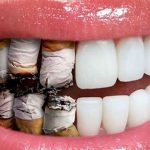
Dr. Britten is highly concerned about his patients who smoke. The likelihood of developing advanced periodontal disease or gum disease can be up to six times higher in smokers. Periodontal disease is an extremely serious condition affecting not only the gums, but also the membranes and ligaments and bone supporting the teeth.
Many studies on smoking and periodontal disease have concluded that smokers have:
- Deeper probing depths and a larger number of deep pockets in the gums.
- More attachment loss including more gingival recession
- More alveolar boneloss & tooth loss
- Less gingivitis and less bleeding on probing
- One of the major problems with smoking is that it tends to mask the damage being caused to teeth and gums. This damage can be difficult to detect, producing very few early warning signs of advanced periodontal disease.
- For years it was thought that nicotine being a vasoconstrictor was causing less blood flow to the gums, causing less infection-fighting white blood cells to reach the area. Newer studies are showing that smoking appears to have a long-term effect on the inflammatory lesions, or diseased gums of smokers, which have less blood vessels in them than in non-smokers.
- More teeth with furcation involvement (where the bone levels have been destroyed below the area where the roots of the teeth meet, leaving this area exposed, making it prone to further destruction as well as decay.
- Additionally, nicotine affects saliva, causing it to become thicker so it is less able to wash away acid created after eating. As a result, heavy smokers can be more likely to suffer from tooth decay than non-smokers, even though they may practice good oral hygiene.
- Smoking has a profound effect on the immune and inflammatory system. Smokers have more infection-fighting cells in their body, but fewer of these helpful cells make it into the gingival pocket. Studies also show that these good cells have a decreased ability to accomplish their function, which is to destroy harmful periodontal bacteria.
- Adhesion molecules are found within smoker’s tissues, in the white blood cells, in the inflammatory lesions, and even in the supporting gingival tissues. Studies have shown impairment in defensive functions of other defensive blood cells, even those using smokeless tobacco due to the high concentrations of nicotine.
- Smoking also impairs the healing of dental implants and even in the healing from all other aspects of periodontal treatment including non-surgical treatments (including scaling and root planing or “deep cleaning”), surgical treatment, bone grafting and tissue grafting.
- Studies have shown that tobacco smoke and nicotine affect blood vessels in the gums, healthy bone-building cells, connective tissue matrix, the jaw bone and even the root surface itself. Tooth root surfaces in smokers have actually been shown to be contaminated by products of smoking such as nicotine, cotinine, acrolein and acetaldehyde, which may inhibit the gum tissue from healing around the roots of teeth as they should.
- Smoking has been shown to affect human bone, and is a risk factor for osteoporosis, which is also a risk factor for periodontal disease.
As a periodontist, Dr. Britten is a specialist in treating advanced periodontal disease and is able to provide patients with the very latest techniques and treatments to help slow down this condition. Where teeth are lost then one option is to replace them with dental implants, but smoking is not advisable during this treatment because it does slow down healing.
If you do currently smoke and value your smile, it’s worth thinking about quitting.
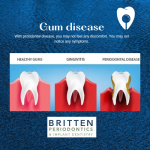
From Perio.org
“Nearly one out of every two American adults aged 30 and over has gum disease, also known as periodontal disease. Periodontal disease is a chronic inflammatory disease that affects the gum tissue and bone supporting the teeth. The early stages of periodontal disease are often asymptomatic; many adults may have the disease and not know it.
“Periodontal disease is insidious,” warns Nancy L. Newhouse, DDS, MS, President of the American Academy of Periodontology (AAP) and a practicing periodontist in Independence, Missouri. “Many people don’t even know they have a problem until it turns into a severe case. Just because your teeth and gums don’t hurt, doesn’t mean your mouth is healthy.”
Over time, inflammation as a result of periodontal disease causes the gums and bones surrounding the teeth to recede….
Symptoms of periodontal disease include:
• Bleeding gums during brushing
• Red, swollen or tender gums
• Gums that have pulled away from the teeth
• Persistent bad breath
• Pus between the teeth and gums
• Loose or separating teeth
• A change in the way your teeth fit together when you bite:
Combat periodontal disease with routine brushing and flossing, regular dental hygiene visits (frequency recommended by your dental professional) and a yearly comprehensive periodontal examination.
#brittenperio #clearwaterperiodontist
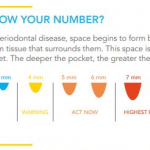
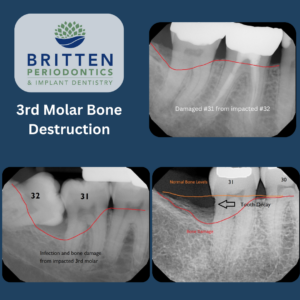
When you have periodontal disease, space begins to form between your teeth and the gum tissue that surrounds them. This space is called a periodontal pocket. The deeper the pocket, the greater the risk of tooth loss.
Your dentist or dental hygienist will perform a full periodontal charting at your visit to check for pocketing, infection (bleeding or pus), gum recession, & bone loss or defects in the bone. #brittenperio #clearwaterperiodontist