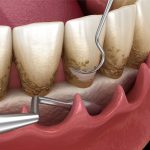
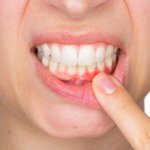
The connection between gum disease and heart disease is a very hot topic in the field of periodontics right now! Several research studies have indicated that heart disease and gum disease may be linked, and researchers suspect that inflammation may be the basis behind this relationship. If you are at risk for heart disease, it is a good idea to mention this to your periodontist, since gum disease may increase this risk. Get additional information on the connection between heart disease and gum disease (https://www.perio.org/consumer/gum-disease-and-heart-disease), as well as the connection between gum disease and other systemic conditions. https://www.perio.org/consum…/gum-disease-and-other-diseases
A team of international researchers published their findings in the Journal of Clinical Periodontology this month stating that patients with Gum Disease are more likely to have severe complications from COVID-19. 568 patients were studied and those with periodontitis – the most severe form of gum disease – were more likely to experience COVID‐19 complications. These complications included including death, ICU admission, and the need for assisted ventilation.
Dr. Todd Britten, a periodontist in Clearwater, Florida says that this study reinforces what he tells his patients every day – Oral health is extremely important for overall health. “This study, showing that patients with gum disease are at least three times more likely to have severe complications from the COVID-19 virus, shows us that treating and controlling periodontal disease remains extremely important, even in a pandemic.”
Dr. Britten stressed this study shows patients should still continue to see their periodontist or dentist. “Depending on your needs, your dentist or periodontist can treat gum disease infection through surgical or non-surgical therapy.” Dr. Todd Britten also said it is crucial that patients also keep dental hygiene cleaning visits to prevent gum disease and for those who have been treated for gum disease in the past stay on a 3 or 4 month schedule with their dental hygienist to avoid periodontal reinfection.
The findings also show the importance of good oral hygiene care at home during the COVID-19 pandemic, says Dr. Britten. According to the Academy of Periodontics, the nation’s leading organization of periodontists, “systemic inflammation is not only linked with periodontal disease, but to several other respiratory diseases as well.” Dr. James G. Wilson, President of the AAP states that this study linking periodontitis and COVID-19 complications, “Therefore, maintaining healthy teeth and gums in an effort to avoid developing or worsening periodontal disease is absolutely crucial in the midst of a global pandemic like COVID-19, which is also known to trigger an inflammatory response.” Dr. Britten states he emphatically agrees with the AAP.
Periodontal disease is often silent, meaning symptoms – particularly pain – may not appear until an advanced stage of the disease. However, you should still be on the lookout for the signs and symptoms, which include:
Red, swollen or tender gums or other pain in your mouth
Bleeding while brushing, flossing, or when eating certain foods
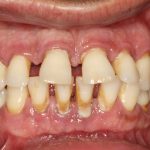
Gums that are receding or pulling away from the teeth, causing the teeth to look longer than before
Loose or separating teeth
Pus between your gums and teeth
Sores in your mouth
Persistent bad breath
A change in the way your teeth fit together when you bite
A change in the fit of partial dentures
If you notice any of these symptoms, be sure to contact your dentist or periodontist right away!
-Perio.org
Most periodontists spend the majority of their time diagnosing and treating gum disease, but there are a variety other procedures that they are able to perform. Periodontists place dental implants when natural teeth cannot be saved. They also monitor the implants to make sure that they’re properly doing their job. Periodontists may also correct gum recession and cover up exposed root surfaces which can be unsightly as well as sensitive to hot and cold. These procedures are often used to lay the foundation for additional cosmetic procedures to help create a beautiful smile. Finally, periodontists can be integral in the comprehensive planning of your oral care, along with your general dentist or other dental professional.
-Perio.org
Periodontal disease is rarely found in children, and only sometimes found in adolescents. However, children should still learn the importance of keeping their teeth and gums healthy to prevent periodontal disease in the future. Children should brush their teeth twice a day and learn how to floss properly- if children learn how to floss at an early age, they will be more likely to make it a lifetime habit. These two simple acts will help protect their teeth and gums from periodontal disease.
As a parent, you should also be aware of the warning signs of periodontal disease, which include red, swollen, bleeding gums or bad breath that won’t go away. If your child develops any of these symptoms, tell your dental professional right away. It’s also a good idea to ensure your dental professional knows your complete family history, as genetics can play an important role in the early development of periodontal disease.
Research has shown that periodontal disease is caused by the inflammatory reaction to bacteria under the gums, so periodontal disease technically may not be contagious. However, the bacteria that cause the inflammatory reaction can be spread through saliva. This means that if one of your family members has periodontal disease, it’s a good idea to avoid contact with their saliva by not sharing eating utensils or oral health equipment. If you notice that your spouse or a family member has the warning signs of a possible periodontal problem (bleeding, red and swollen gums, or bad breath) you may want to suggest that they see the periodontist for an exam. It may help to protect the oral health of everyone in the family.
Our team at Britten Periodontics has realized the continued importance of strong and on-going relationships.
We want you to know that we are here for you!
Where We’ve Been
When we think about the individuals that bring us joy in fulfilling our vision for health and well-being, we immediately think of you, our patients and friends. We miss you greatly and are continuing to find ways of connecting with you regularly and being available for you in any way possible as we get ready for opening the practice beyond emergency appointments.
The original goal of the reduction to Emergency Care only was to suppress the spread of the virus and reduce the use of protective masks, surgical gowns, and other personal protective equipment (PPE) that hospitals and clinics found in short supply. This also gave us an opportunity to reinforce what we have always done when it comes to sterilization and infection controls, as well as implement additional steps to make sure that every patient can be assured a safe dental experience.
Where We’re Going
We are very excited to announce that our practice will be opening as of 5/6/2020 for a wider spectrum of dental care. And likely on 5/18/2020 for dental hygiene services. We have been working diligently to replenish our supplies, so that we are ready with a new schedule in place that ensures the safety and comfort for both team and patients, as we return to full care and service.
Our team is now reaching out to patients who have had to cancel their appointments due to the shut down as well as patients who are currently scheduled in the up-coming months to confirm new appointments that promote social distancing mandates and protect our most vulnerable. Our new scheduling options are designed to address individual oral healthcare needs and maintain a safe and sterile environment.
Rest assured, Britten Periodontics, as always, will place the health and well-being of our team and our patients first. We will continue to reach out and update you on a regular basis through various forms of contact. Please follow us on Facebook, Instagram, and our blog https://brittenperio.com/our-blog/ for up to date information as well as tips and resources on how to maintain your oral hygiene at home during these times.
We look forward to seeing you all again and catching up with you at your next appointment.
Stay Healthy,
Dr. Todd Britten

Gingivitis
The first stage of periodontal disease is gingivitis. It is an inflammation of the gingiva or gums and is characterized by red, tender, swollen gums, and halitosis or bad breath. It is a mild form of gum disease that can usually be reversed with daily brushing and flossing, cleaning by a dentist or dental hygienist, healthy nutrition and the cessation of smoking. This form of gum disease does not involve any loss of bone and tissue that hold the teeth in place. Untreated gingivitis can lead to periodontitis.
Periodontitis
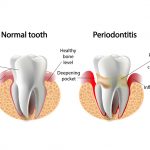
The next stage of periodontal disease is periodontitis. It causes irreversible damage to the bone and connective tissue that support the teeth in the mouth. As it progresses the pockets deepen and the body’s immune system initiates an inflammatory response in which the body in essence turns on itself and the bone and connective tissue that hold the teeth in place are broken down and destroyed. If not treated the teeth may eventually become loose and need to be removed. While the initial cause of gum disease is bacterial plaque, there are other risk factors making one susceptible to periodontal disease:
Risk Factors
Smoking
Smoking is one of the most significant risk factors associated with the development of gum disease, and can lower the chances for successful treatment.
Hormonal changes
Hormonal changes in girls and women can make the tissue more sensitive and make it easier for gingivitis to develop. This includes puberty, menopause, and pregnancy.
Diabetes
Diabetes lowers the body’s immune system, making it easier for people to develop infections including gum disease.
Medications
Medications can affect the flow of the saliva which makes the oral tissues vulnerable to infections. Some medications can cause abnormal overgrowth of the gum tissue which makes it difficult to keep the teeth and gum tissue clean.
For more information, visit: https://brittenperio.com/oral-health/periodontal-disease/
[iphorm id=”3″ name=”Contact form”]
When a tooth is removed, the bone shrinks away and the other teeth in the area will shift to fill the gap. This can sometimes lead to other problems like shifting of other teeth, causing bone loss or decay around the existing teeth as they become more difficult to clean.
Watch this great video from Spear Education about missing teeth and tooth loss!
Click here:
https://spearedu.co/l2DeZob
If you have questions about replacing teeth lost to fractures, decay or gum disease, contact us today