
• (727) 586-2681
  • 1472 Jordan Hills Court, Clearwater, FL 33756
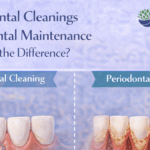
Graphic comparing regular dental cleanings and periodontal maintenance, showing surface cleaning above the gumline versus deeper cleaning below the gums for patients with gum disease, featuring the Britten Periodontics and Implant Dentistry logo.

Many patients feel confused when they hear they need more than a standard cleaning. Understanding regular dental cleanings vs periodontal maintenance helps explain why gum disease requires a different level of care.

What a Regular Dental Cleaning Covers

A routine dental cleaning focuses on plaque and tartar above the gumline. This type of visit works well for patients with healthy gums and shallow pocket depths. The goal is prevention and maintenance, not treatment of active disease. For patients without gum disease, this approach keeps teeth and gums in good shape.

Why Gum Disease Needs More

Once gum disease develops, bacteria move below the gumline. As a result, deeper pockets form where standard cleanings cannot reach effectively. Even excellent brushing and flossing cannot remove hardened tartar in these areas. Therefore, a different type of visit becomes necessary.

What Periodontal Maintenance Does Differently

Periodontal maintenance targets areas below the gums where disease tends to return. These visits include deeper cleaning, closer monitoring of pocket depths, and evaluation of inflammation or bleeding. In addition, your provider watches for early changes so treatment can be adjusted quickly.

Why Skipping Maintenance Causes Problems

Gum disease behaves like a chronic condition. Without consistent care, bacteria repopulate and inflammation returns. Over time, this can lead to bone loss, loose teeth, or infection around implants. Unfortunately, many patients feel fine while damage progresses quietly.

Choosing the Right Care for Long-Term Health

The difference between regular dental cleanings vs periodontal maintenance comes down to risk and history. Patients with past or current gum disease need ongoing support to protect their results. Periodontal maintenance helps stabilize gums, preserve bone, and reduce the need for future procedures.

If you’ve been told you need more than a routine cleaning, it’s not a punishment. It’s a plan designed to protect your smile long-term.

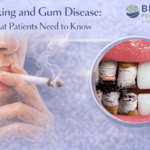
Illustration showing the effects of smoking on gum health, with cigarette smoke alongside inflamed gums and tartar buildup that contribute to gum disease, featuring the Britten Periodontics and Implant Dentistry logo.

Smoking affects more than your lungs. Smoking and gum disease share a strong connection that increases the risk of infection, bone loss, and tooth loss. Even former smokers may see lasting effects on gum health.

How Smoking Masks Symptoms

Nicotine restricts blood flow to the gums. As a result, smokers may bleed less, even when disease is present. While that sounds positive, it actually hides early warning signs and delays diagnosis.

Increased Risk of Infection

Smoking weakens the immune response, making it harder to fight bacteria below the gumline. In addition, plaque hardens faster in smokers, which increases inflammation and pocket depth. Over time, this accelerates bone loss around teeth and implants.

Slower Healing After Treatment

Smokers heal more slowly after periodontal procedures. Reduced blood flow limits oxygen and nutrients needed for tissue repair. This can affect outcomes for deep cleanings, gum grafts, implants, and bone grafting.

What Quitting Can Improve

Stopping smoking improves circulation and immune function. As a result, gums respond better to treatment and maintenance. While past damage cannot always be reversed, quitting greatly improves long-term stability and success.

Because smoking and gum disease work together to accelerate damage, quitting remains one of the most powerful steps patients can take for their oral and overall health.

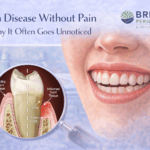
Illustration showing gum disease without pain, with healthy-looking teeth above the gumline and hidden inflammation and tartar buildup revealed below, featuring the Britten Periodontics and Implant Dentistry logo.

Many patients feel shocked when diagnosed because they had no discomfort. Gum disease without pain is extremely common, especially in the early and moderate stages. Unfortunately, that silence allows damage to progress unnoticed.

Why Pain Is Not an Early Symptom

Gum disease starts with inflammation, not nerve pain. The gums respond to bacteria with swelling and bleeding rather than sharp discomfort. Meanwhile, infection can spread below the surface without triggering strong warning signals.

Subtle Signs People Miss

Although pain may be absent, small changes often appear. Bleeding during brushing, bad breath, or gums pulling away from teeth are early clues. In addition, teeth may look longer as the gums recede. Because these changes happen gradually, they often feel “normal” over time.

What Happens If It’s Ignored

As gum disease advances, the supporting bone begins to break down. At this stage, teeth may loosen or shift. Unfortunately, pain often appears only after significant damage occurs. By then, treatment becomes more complex.

The Importance of Routine Exams

Regular dental visits allow providers to measure gum pockets and detect inflammation early. Periodontal evaluations catch disease long before pain starts. Early treatment protects bone, stabilizes gums, and reduces the need for surgical procedures.

Because gum disease without pain progresses quietly, prevention and routine care remain the strongest defense for long-term oral health.

Illustration showing proper brushing technique with a Sonicare electric toothbrush for receding gums and sensitive teeth, highlighting gentle cleaning along the gumline, featuring the Britten Periodontics and Implant Dentistry logo.

If your gums have pulled back, your brushing technique matters more than ever. Brushing with gum recession requires a gentle approach that cleans thoroughly without grinding the gumline like it owes you money. The goal is to remove plaque while protecting fragile tissue and exposed roots.

Choose the Right Tools

Start with a soft-bristled toothbrush or an electric brush with a pressure sensor. We love the Sonicare by Philips. However, even a soft brush can cause damage if you scrub aggressively. In addition, use a fluoride toothpaste, and consider a sensitivity formula such as Sensodyne or a prescription toothpaste from your dentist such as Clinpro 5000 if cold drinks bother you.

Use a Gentle Technique

Angle the bristles toward the gumline and use small, controlled motions. Therefore, you clean where plaque collects without sawing away at the tissue. Meanwhile, avoid horizontal “back-and-forth” scrubbing, because it can worsen recession and wear notches into the teeth.

Don’t Forget Between the Teeth

Recession often increases spaces where food and plaque can trap. So floss daily or use interdental brushes and Soft-Picks if they fit comfortably. Also, a water flosser can help, especially around tight spots or dental work.

When Home Care Isn’t Enough

If recession progresses or sensitivity increases, you may need professional treatment. For example, a periodontist can evaluate bite forces, gum thickness, and inflammation and recommend targeted therapy or grafting if needed.

Small changes add up fast. As a result, improving technique can reduce irritation and protect your teeth long-term. At Britten Perio, we help patients tailor routines that actually work in real life. If you’re unsure whether you’re doing it right, ask for guidance on brushing with gum recession at your next visit.

Illustration comparing oral sedation and IV sedation options for dental care, showing oral medication and IV sedation administered in the inner elbow, featuring the Britten Periodontics and Implant Dentistry logo.

If dental visits make your palms sweat, you’re not being dramatic, you’re being human. Sedation for dental anxiety can make periodontal care feel manageable and even, dare we say, boring. The goal is comfort, not “knocking you out” unless that’s medically appropriate.

Common Sedation Options

Many offices offer nitrous oxide (laughing gas) to take the edge off. In addition, oral sedation can provide deeper relaxation for longer appointments. Some cases may involve IV sedation, especially for complex procedures or significant anxiety. Meanwhile, local anesthetic still plays a key role so you stay comfortable at the treatment site.

How Sedation for Dental Anxiety Works

Sedation can help if you have strong gag reflex, difficulty sitting still, past trauma, or severe worry that leads to canceled appointments. Therefore, it often improves consistency, which improves outcomes. Also, if you need multiple areas treated, sedation may help you get more done in fewer visits.

Oral and IV sedation in periodontal care

Follow instructions about eating, drinking, and transportation. For example, oral or IV sedation typically requires someone else to drive you home. Also, plan a low-key day afterward so you can rest.

Comfort helps you show up, and showing up protects your gums. As a result, sedation can be a practical tool, not a luxury. At Britten Perio, we talk through options and match the approach to your health history and procedure needs. If you’ve been avoiding care, ask about options for managing dental anxiety. and take the first step back into the chair.

Illustration showing the two-way relationship between gum disease and diabetes, with inflamed gums connected to elevated blood sugar levels, featuring the Britten Periodontics and Implant Dentistry logo.

There’s a strong connection between gum disease and diabetes. Inflammation in the gums can make blood sugar harder to control, and high blood sugar can also increase infection risk in the mouth. So, managing one often helps the other.

Why Inflammation Matters

Gum disease creates chronic inflammation. Therefore, your body stays in a stressed state, which can affect insulin sensitivity. In addition, high blood sugar can reduce healing ability and increase bacterial growth. Meanwhile, dry mouth can worsen plaque buildup, which fuels more inflammation.

Signs to Watch For

Bleeding gums, bad breath, and gum tenderness may show up first. Also, if you notice gums pulling back or teeth feeling looser, take action quickly. For people with diabetes, even mild gum changes deserve attention because things can progress faster.

Smart Steps That Help

Start with daily habits you can keep: gentle brushing, consistent flossing, and cleaning between teeth. In addition, schedule regular professional cleanings and periodontal evaluations if your gums bleed. Also, keep your medical team in the loop, because stable blood sugar supports oral healing.

When your gums improve, many patients find it easier to maintain comfort and reduce infections. As a result, oral care becomes part of whole-body care, not a side quest. At Britten Perio, we coordinate treatment with a prevention mindset and clear home-care coaching. If you live with gum disease and diabetes, a tailored periodontal plan can make a real difference.

Illustration showing the link between gum disease and heart disease, highlighting inflammation in the gums connected to cardiovascular health.

The link between gum disease and heart disease has gained increasing attention in medical and dental research. Inflammation in the gums does not stay confined to the mouth. Instead, it can affect the entire body, including the cardiovascular system, especially when gum disease goes untreated.

What the Connection May Involve

Gum disease allows bacteria and inflammatory signals to enter the bloodstream more easily. Therefore, systemic inflammation can rise. In addition, people with gum disease may share risk factors with heart disease, such as smoking and diabetes. So, the relationship is complex, but it still matters.

Reducing Your Risk Through Oral Health Care

You can’t change genetics, but you can control daily habits. Brush twice a day, clean between teeth, and keep regular dental visits. Meanwhile, if your gums bleed, don’t “wait it out.” Bleeding often signals inflammation that needs professional care. Also, stop smoking if you use it, because it increases risk in both the mouth and the body.

When to See a Periodontist

If you have persistent bleeding, deep pockets, gum recession, or loose teeth, schedule an evaluation. A periodontist can measure gum pockets, review imaging, and build a plan to reduce infection. As a result, you lower the bacterial load and support healthier tissues.

At Britten Perio, we focus on prevention and stability because the mouth isn’t separate from the rest of you. Studies continue to explore the link between gum disease and heart disease, especially how chronic inflammation may contribute to cardiovascular risk. If you’re concerned about the link between gum disease and heart disease, start by getting your gums assessed and making a plan you can maintain.

Why Prevention Matters for Oral and Heart Health

Maintaining healthy gums may play a role in supporting heart health. Daily brushing and flossing help reduce plaque buildup and inflammation. In addition, regular professional cleanings allow dental providers to monitor gum health and address problems early. While treating gum disease does not replace medical heart care, reducing oral inflammation may lower overall inflammatory burden in the body. Coordinated care between dental and medical providers supports long-term wellness.

Periodontal maintenance visit showing professional cleaning around teeth and gums to prevent gum disease and maintain long-term oral health, featuring the Britten Periodontics and Implant Dentistry logo.

Gum treatment is a big step, but it’s not the finish line. Periodontal maintenance visits help keep infection from creeping back in. Gum disease behaves like a chronic condition, so ongoing care protects the work you already invested in.

Why Maintenance Is Different From a Regular Cleaning

After periodontal therapy, you may have deeper areas that need extra attention. Therefore, maintenance appointments focus on disrupting bacteria in places a standard cleaning may not fully address. In addition, your hygienist tracks pocket depths and bleeding to spot changes early.

What Happens at These Appointments

You’ll get a thorough cleaning above and below the gums, plus a review of home-care technique. Meanwhile, your team may recommend specific tools like interdental brushes or water flossers for tricky areas. Also, if pockets increase, your provider can adjust the plan quickly instead of letting problems build for months.

How Often Should You Go

Many patients do best every 3 to 4 months, especially right after treatment. However, frequency depends on risk factors like smoking, diabetes, genetics, and past bone loss. So your schedule should fit your mouth, not your neighbor’s.

Consistency matters because bacteria repopulate fast. As a result, skipping visits can undo progress quietly. At Britten Perio, we treat maintenance as prevention with a purpose: protect bone, stabilize gums, and keep teeth longer. If you’ve completed therapy, keep your periodontal maintenance visits on the calendar and your future self will thank you.

Illustration showing peri-implantitis with inflammation and bone loss around a dental implant, featuring the Britten Periodontics and Implant Dentistry logo.

Peri-Implantitis Symptoms You Should Never Ignore

A peri-implantitis symptom often appears quietly, which is why many patients don’t realize there’s a problem until damage has already begun. Peri-implantitis is an inflammatory condition that affects the gum tissue and bone around a dental implant, and early detection makes a major difference.

Common Peri-Implantitis Symptoms

One of the earliest warning signs is bleeding when brushing or flossing around an implant. In addition, the gums may appear red, swollen, or tender. A persistent bad taste or drainage around the implant can also indicate infection. These changes should never be ignored, even if pain is mild or absent.

Bone Loss Around the Implant

As the condition progresses, inflammation can lead to bone loss around the implant. This weakens the implant’s support and may cause it to feel loose. At this stage, a peri-implantitis symptom may include discomfort while chewing or changes in how the implant feels when biting down.

Why Peri-Implantitis Develops

Plaque buildup around implants plays a major role. However, a history of gum disease, smoking, diabetes, and irregular maintenance visits can increase risk. Because implants lack the same attachment fibers as natural teeth, infection can spread faster once it starts.

Why Early Treatment Matters

Without treatment, peri-implantitis can lead to implant failure and the need for removal. Early intervention may include deep cleaning, antimicrobial therapy, or laser treatment, depending on severity. Regular periodontal maintenance visits help reduce risk by catching changes early.

If you notice any bleeding, swelling, or changes around an implant, schedule an evaluation promptly. Addressing symptoms early helps protect your investment and your oral health long-term.

Dental laser used to treat infected gum tissue around teeth as part of laser gum disease treatment, featuring the Britten Periodontics and Implant Dentistry logo.

If you’ve heard about laser gum disease treatment, you may wonder if it replaces traditional care. Lasers can help reduce bacteria and inflamed tissue in certain cases. However, the best approach depends on your pocket depth, bone levels, and overall gum health.

What Lasers Can Do

Lasers can target infected tissue and disrupt bacteria. In addition, they may help reduce bleeding during treatment for some patients. Meanwhile, your provider can combine laser therapy with deep cleaning to improve gum healing. So, it often works as part of a plan, not as a magic wand.

What Lasers Cannot Do

Lasers do not “melt away” tartar that has hardened on teeth roots. Therefore, thorough scaling remains essential when calculus sits below the gumline. Also, if gum disease has caused significant bone loss, you may need additional therapies beyond laser use.

Who Might Benefit Most

Patients with mild to moderate periodontal pockets may see improvements when laser therapy complements conventional treatment. Meanwhile, patients who feel anxious about bleeding or sensitivity sometimes prefer it, although comfort varies by person. Your periodontist will evaluate your case and recommend what actually fits your mouth, not what looks shiny on a brochure.

The takeaway is simple: laser tools can help, but diagnosis drives results. As a result, the best next step is a periodontal evaluation with measurements and imaging. At Britten Perio, we match technology to your needs so you get predictable outcomes. If you’re considering laser gum disease treatment, ask what role it would play in your specific plan.

Back to Blog

appointment