• (727) 586-2681
  • 1472 Jordan Hills Court, Clearwater, FL 33756

dental hygienist

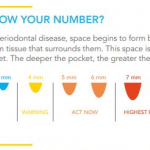
Educational graphic on periodontal disease treatment by Britten Periodontics in Clearwater, Florida
When you have periodontal disease, space begins to form between your teeth and the gum tissue that surrounds them. This space is called a periodontal pocket. The deeper the pocket, the greater the risk of tooth loss.
 
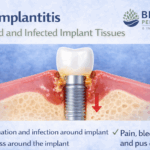
Your dentist or dental hygienist will perform a full periodontal charting at your visit to check for pocketing, infection (bleeding or pus), gum recession, & bone loss or defects in the bone. #brittenperio #clearwaterperiodontist
Britten Periodontics team sponsoring Clearwater community event

Instead of leaving your treatment to one dental professional, you should consider having both your general dentist and a periodontist be actively involved in the diagnosis and treatment of your periodontal disease. This team approach will help your general dentist (who is familiar with your dental and medical history) and your periodontist (who has extensive experience treating periodontal disease) collaborate to tailor a treatment plan that works best for your individual case.

Perio.org

Oral hygiene instructions provided by Britten Periodontics in Clearwater, Florida

We encourage our patients to find ways to incorporate taking care of your teeth into your day, however you can! Even while watching Netflix, if that is what works for you!

“Interdental cleansing (cleaning between the teeth) is necessary for … optimal oral health. Since most toothbrushes have limited access to proximal (in between) surfaces of teeth… interdental cleansing must be included in dental hygiene care plans. Interdental spaces are areas where bacteria can accumulate, multiply and remain undisturbed.
Undisturbed plaque biofilm can cause gingival inflammation and bleeding and increase the risk for and progression of periodontal disease.” Source: “Interdental Cleansing” by Jacquelyn L. Fried, RDH, MS
Actually, cleaning between your teeth with floss, proxabrushes, softpicks, rubber tip stimulators and watching Netflix at the same time is just fine with us. Dr. Britten and his hygiene team encourage patients to find ways to incorporate taking care of your teeth into your day, however you can!
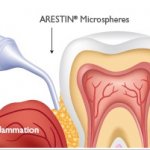
Educational graphic on periodontal disease treatment by Britten Periodontics in Clearwater, Florida

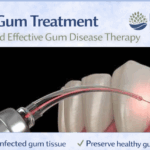
According to the American Academy of Periodontology, topical antibiotic treatment may be used as an adjunct to scaling and root planing. Every person has different needs based on their particular situation, so be sure to talk to your dental professional about using these antibiotics as part of your course of treatment; he or she will determine if they are a good fit for you.

Perio.Org

Tooth Fairy Clearwater, Florida Britten Periodontics

What role does the tooth fairy play in teaching children oral hygiene habits?

A new study by Delta Dental surveyed parents who “allow” the tooth fairy into their homes, had a pleasant surprise that the tooth fairy’s visit inspires kids to create and maintain good oral hygiene habits.

The same study found 80% of households with children receive visits from the tooth fairy, and the average payout by the fairy for a tooth is $4.03, up 9% compared to last year.

This a study and story we are happy to report!

Oral hygiene instructions provided by Britten Periodontics in Clearwater, Florida
Dental Floss:

Tight spaces/Good for those spaces that other floss shreds easily https://www.listerine.com/toothpaste-floss/listerine-ultraclean-floss

A great, thin, unwaxed floss, POH dental floss: https://buypoh.com/oral-hygiene/

GUM expanding floss: https://www.amazon.com/s?k=gum+expanding+floss

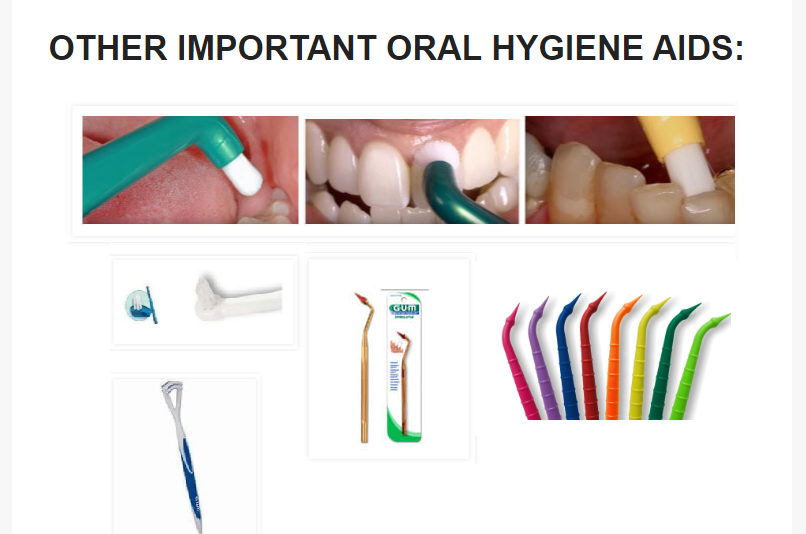
INTERDENTAL BRUSHES AND SOFTPICKS

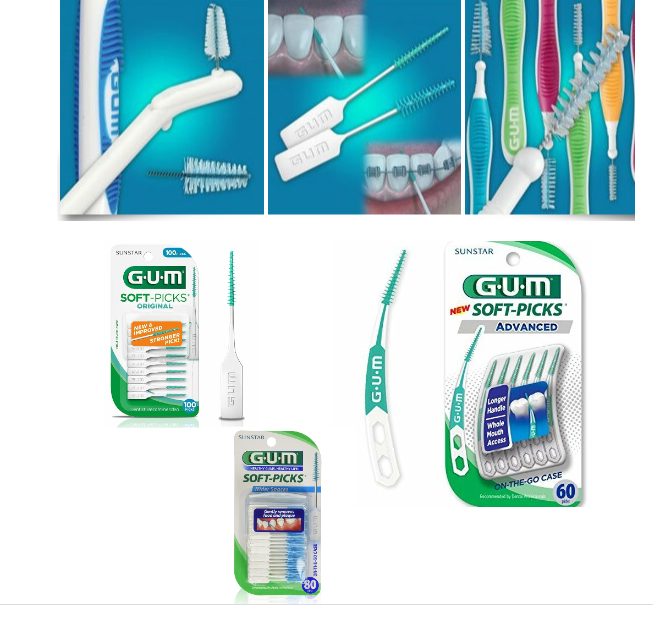
SOFTPICKS (Original, Advanced, or Wider Spaces):  https://www.gumbrand.com/between-teeth-cleaning.html

GUM Brand PROXABRUSHES (most common sizes Tight (414), moderate (612) tapered wide (614) or extra wide (618):  https://www.gumbrand.com/between-teeth-cleaning/interdental-brushes.html

TEPE proxabrushes (9 different sizes available!):  https://www.tepeusa.com/collections/tepe-interdental-brushes-original

Oral B end tufted brush:  https://www.safcodental.com/catalog/preventives/end-tuft-toothbrushes/oral-b-end-tufted-toothbrush

TEPE compact end tufted brush:  https://www.tepeusa.com/products/tepe-compact-tuft

GUM brand tongue scraper:  https://www.gumbrand.com/gum-dual-action-tongue-cleaner.html

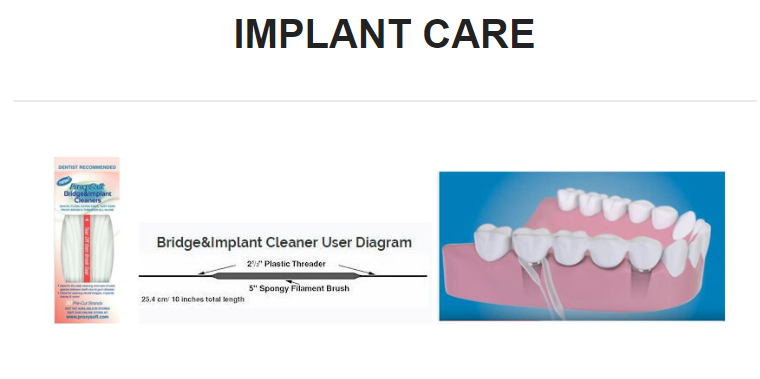
Proxysoft Bridge & Implant Floss:  https://proxysoft.com/product/proxysoft-bridge-implant-cleaners/

TEPE Universal Care Brush:  https://www.tepeusa.com/products/tepe-universal-care

Thinner floss with threader attached for tight spaces:  https://www.gumbrand.com/gum-easythread-floss.html

GUM Brand PROXABRUSHES (most common sizes Tight (414), moderate (612) tapered wide (614) or extra wide (618):  https://www.gumbrand.com/between-teeth-cleaning/interdental-brushes.html

TEPE proxabrushes (9 different sizes available!):  https://www.tepeusa.com/collections/tepe-interdental-brushes-original

Graphic from Britten Perio emphasizing the importance of seeking treatment for gum disease to support overall health.

Here at Britten Periodontics, Dr. Britten and his dental hygiene team work together with our patients to tailor home oral care recommendations, focusing on a very personalized approach to treatment and prevention.

Home oral care is such an important contributor to oral health, and can help lessen the need for extensive dental problems. Here are some of our top tips to good oral hygiene!

Part 1: PROPER TOOTHBRUSHING

  • A proper toothbrushing technique is essential for keeping your teeth and gums healthy.
  • Brush gently, thoughtfully and thoroughly twice a day to minimize the debris and bacteria in your mouth.
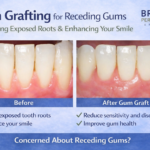
  • Bristle selection: Bristles that are too hard, or an incorrect technique of brushing can cause your gums to be damaged during the toothbrushing process and can cause them to recede (gum recession) or cause destruction (abrasion) to the teeth and roots.
  • We recommend changing your toothbrush at least every 90 days or after an illness.
  • Hold the toothbrush at a 45° angle so that the filaments reach the gum line. Brush with light pressure using small circular or vibrating movements. Brush the inside, outside and biting surfaces of the teeth.
  • Brush twice a day for at least four minutes if using a manual toothbrush.

We recommend the Sonicare Power Toothbrush for our patients.

  • Divide your mouth into four quadrants. This can help ensure that you brush each section of your teeth and mouth cavity.
  • Hold your toothbrush at a 45 ­degree angle to your gum line with a Sonicare or 90 degrees with an oscillating brush such as the Oral B.
  • Apply gentle pressure, keeping the bristles in contact with your tooth surface and gum line, which can help ensure you get the most effective result possible.
  • Stay on each area for 30 seconds, moving the brush only when it is time to go to the next area. Once you’ve completed this procedure for a quadrant, move to the inner surfaces of your teeth and repeat the same procedure.
  • To brush behind your front teeth, tilt the brush vertically using only the front half of your brush.
  • Clean biting surfaces, your tongue, and soft palate. This can help remove debris and other odor ­causing bacteria.

Stay Tuned for Our Next Blog Article – Where We Will Talk About How To Take Care of Your Teeth In Between and Other Oral Hygiene Aids!

Clearwater periodontist Dr. Todd Britten at Britten Periodontics dental office

Traditionally, floss has been used to help remove the disease-producing bacteria in between the teeth. This bacteria cannot be reached with a toothbrush alone. Bacteria between the teeth is a primary cause for most gum disease and dental decay. It is so important to clean between your teeth every day!

Softpicks and interdental brushes (also known as proxabrushes) are available in many sizes and are gaining in popularity because they are easy to use, and for some patients – more effective than flossing alone!

And Dr. Britten (pictured above with his TEPE softpicks) is hoping for football season, and says “Go Gators”!

#brittenperio #clearwaterperiodontist

Clearwater, FL

The best way to prevent periodontal disease is to brush and clean between your teeth effectively every day. Regular dental checkups and professional cleanings every 3 or 4 or 6 months are also an important part of maintaining periodontal health; the instruments and techniques used in these cleanings can reach into areas that your toothbrush and floss can’t.

It is also possible to detect early forms of gum disease by evaluating your gingival (gum) tissues, both visually and by examining their attachment levels to the teeth. And the health of your tooth-supporting bone can be assessed by taking dental radiographs (x-rays pictures).

There are other steps you can take: Eating right, reducing stress in your life, and giving up unhealthy habits like smoking will also help ensure that you keep your teeth for a lifetime.

Watch this video about Healthy Gums from Spear Education

https://spearedu.co/gWHjot0

Oral health tips from Clearwater periodontist Dr. Todd Britten on how to prevent tooth decay through proper dental care and regular checkups.

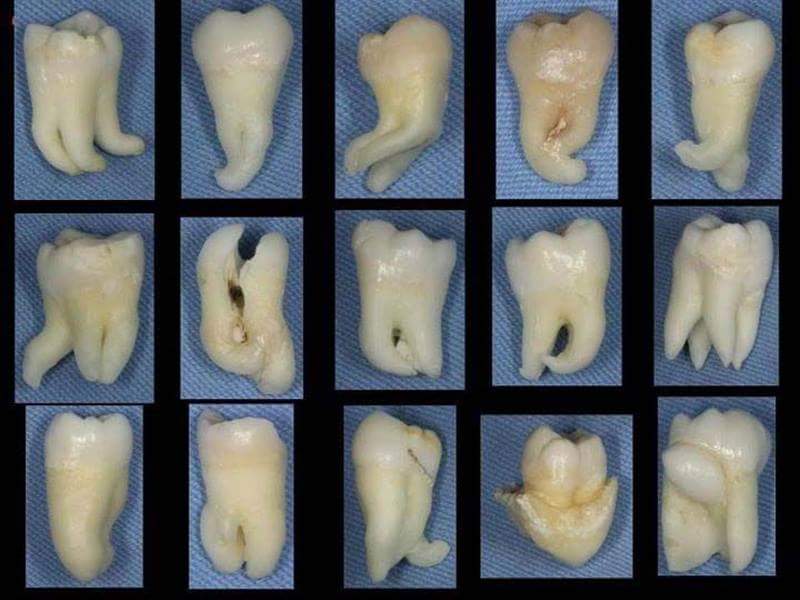
Did you know? Periodontal disease is usually more severe towards the back of the mouth and between the teeth because these areas are more difficult to keep clean and free of plaque.  Just look at these very differently shaped molars!
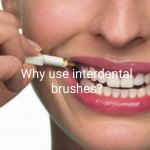
Interdental brushes serve as an alternative or even great addition to brushing and flossing. They can be used daily and can be effective for plaque removal. Proxabrushes, or interdental brushes, are a type of interdental cleaner, meaning it is used to brush between the teeth.  For many patients, they are easier to use than dental floss. There must be at least a small space between the tooth and gum for the brush to pass, so it is ideal for back teeth and/or areas where there has been bone loss, and wider spaces between the teeth.  For most people with treated Periodontal Disease there is no other interdental cleaning aid that works as well as an interdental brush.  A proxabrush typically wears out within two weeks when used daily. A supply of replacement brushes should be kept for ease and speed of brush renewal.
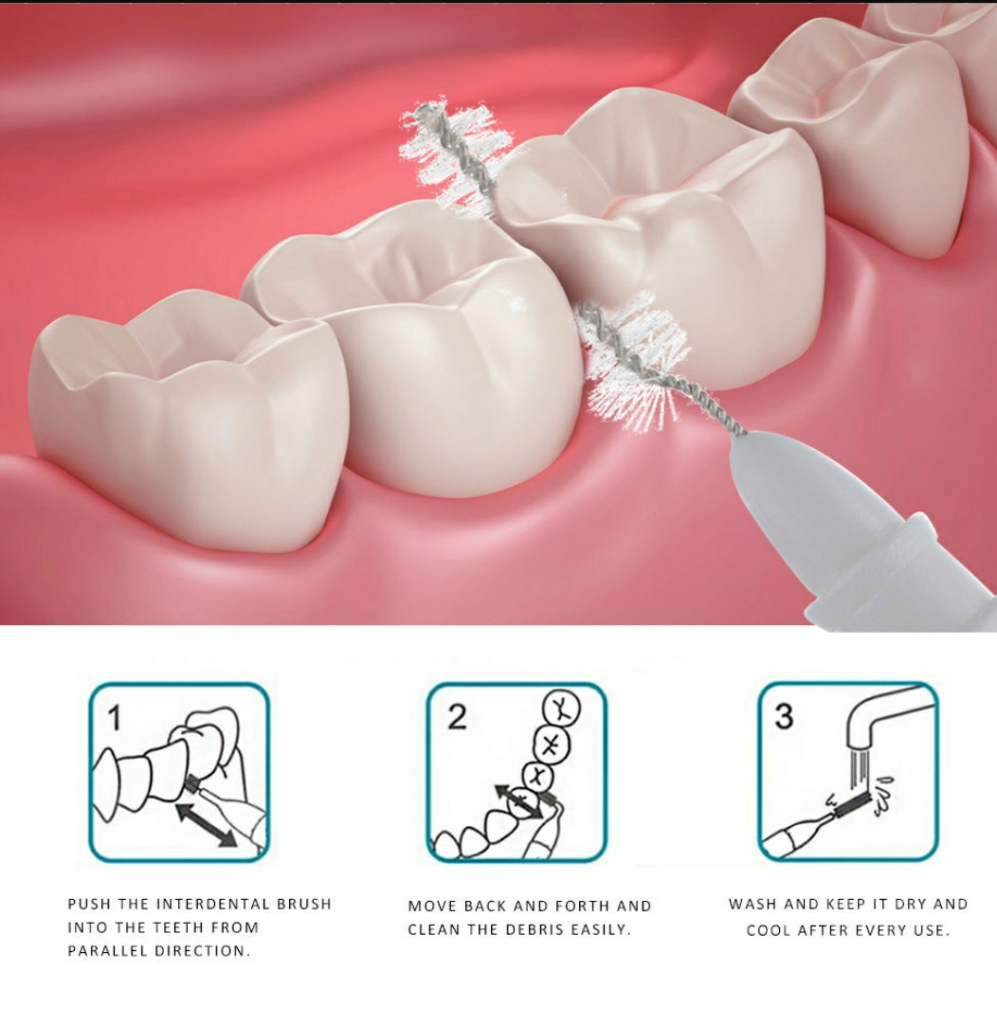
They are available on handles (similar to length of toothbrush handles) or in travel sizes.  A travel proxabrush is covered by a cap that sheaths over the brush. This form of ProxaBrush is conveniently kept in ones pocket or purse, and thus is good for those individuals who want to clean between their teeth during the day, or to take to restaurants or trips.

Who Should Use Them?

  • Anyone who finds flossing difficult
  • People who don’t like to floss
  • People with exposed roots
  • Deep dental pockets
  • Areas of bone loss or gum recession
  • Areas where teeth are missing
  • Previous gum surgery which has exposed more tooth and root anatomy
  • Larger spaces between the teeth
  • Grooves and concavities in teeth and roots
  • People with braces – great around brackets and wires

How To Use Them
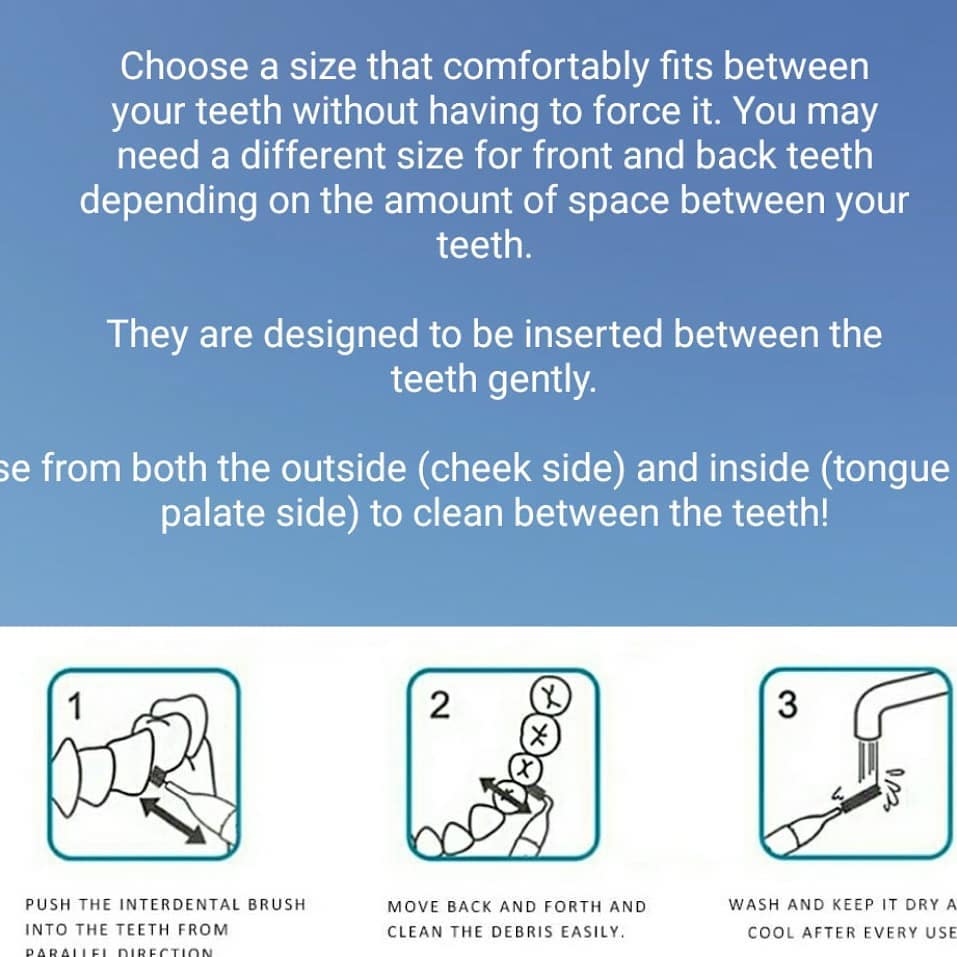
For more questions about oral hygiene and interdental care, periodontal disease of dentistry, visit www.brittenperio.com

[iphorm id=”3″ name=”Contact form”]

Back to Blog

appointment

Categories