• (727) 586-2681
  • 1472 Jordan Hills Court, Clearwater, FL 33756

clearwater periodontist

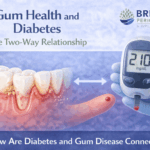
Illustration showing the two-way relationship between gum disease and diabetes, with inflamed gums connected to elevated blood sugar levels, featuring the Britten Periodontics and Implant Dentistry logo.

There’s a strong connection between gum disease and diabetes. Inflammation in the gums can make blood sugar harder to control, and high blood sugar can also increase infection risk in the mouth. So, managing one often helps the other.

Why Inflammation Matters

Gum disease creates chronic inflammation. Therefore, your body stays in a stressed state, which can affect insulin sensitivity. In addition, high blood sugar can reduce healing ability and increase bacterial growth. Meanwhile, dry mouth can worsen plaque buildup, which fuels more inflammation.

Signs to Watch For

Bleeding gums, bad breath, and gum tenderness may show up first. Also, if you notice gums pulling back or teeth feeling looser, take action quickly. For people with diabetes, even mild gum changes deserve attention because things can progress faster.

Smart Steps That Help

Start with daily habits you can keep: gentle brushing, consistent flossing, and cleaning between teeth. In addition, schedule regular professional cleanings and periodontal evaluations if your gums bleed. Also, keep your medical team in the loop, because stable blood sugar supports oral healing.

When your gums improve, many patients find it easier to maintain comfort and reduce infections. As a result, oral care becomes part of whole-body care, not a side quest. At Britten Perio, we coordinate treatment with a prevention mindset and clear home-care coaching. If you live with gum disease and diabetes, a tailored periodontal plan can make a real difference.

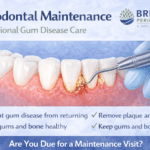
Periodontal maintenance visit showing professional cleaning around teeth and gums to prevent gum disease and maintain long-term oral health, featuring the Britten Periodontics and Implant Dentistry logo.

Gum treatment is a big step, but it’s not the finish line. Periodontal maintenance visits help keep infection from creeping back in. Gum disease behaves like a chronic condition, so ongoing care protects the work you already invested in.

Why Maintenance Is Different From a Regular Cleaning

After periodontal therapy, you may have deeper areas that need extra attention. Therefore, maintenance appointments focus on disrupting bacteria in places a standard cleaning may not fully address. In addition, your hygienist tracks pocket depths and bleeding to spot changes early.

What Happens at These Appointments

You’ll get a thorough cleaning above and below the gums, plus a review of home-care technique. Meanwhile, your team may recommend specific tools like interdental brushes or water flossers for tricky areas. Also, if pockets increase, your provider can adjust the plan quickly instead of letting problems build for months.

How Often Should You Go

Many patients do best every 3 to 4 months, especially right after treatment. However, frequency depends on risk factors like smoking, diabetes, genetics, and past bone loss. So your schedule should fit your mouth, not your neighbor’s.

Consistency matters because bacteria repopulate fast. As a result, skipping visits can undo progress quietly. At Britten Perio, we treat maintenance as prevention with a purpose: protect bone, stabilize gums, and keep teeth longer. If you’ve completed therapy, keep your periodontal maintenance visits on the calendar and your future self will thank you.

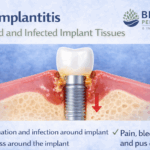
Illustration showing peri-implantitis with inflammation and bone loss around a dental implant, featuring the Britten Periodontics and Implant Dentistry logo.

Peri-Implantitis Symptoms You Should Never Ignore

A peri-implantitis symptom often appears quietly, which is why many patients don’t realize there’s a problem until damage has already begun. Peri-implantitis is an inflammatory condition that affects the gum tissue and bone around a dental implant, and early detection makes a major difference.

Common Peri-Implantitis Symptoms

One of the earliest warning signs is bleeding when brushing or flossing around an implant. In addition, the gums may appear red, swollen, or tender. A persistent bad taste or drainage around the implant can also indicate infection. These changes should never be ignored, even if pain is mild or absent.

Bone Loss Around the Implant

As the condition progresses, inflammation can lead to bone loss around the implant. This weakens the implant’s support and may cause it to feel loose. At this stage, a peri-implantitis symptom may include discomfort while chewing or changes in how the implant feels when biting down.

Why Peri-Implantitis Develops

Plaque buildup around implants plays a major role. However, a history of gum disease, smoking, diabetes, and irregular maintenance visits can increase risk. Because implants lack the same attachment fibers as natural teeth, infection can spread faster once it starts.

Why Early Treatment Matters

Without treatment, peri-implantitis can lead to implant failure and the need for removal. Early intervention may include deep cleaning, antimicrobial therapy, or laser treatment, depending on severity. Regular periodontal maintenance visits help reduce risk by catching changes early.

If you notice any bleeding, swelling, or changes around an implant, schedule an evaluation promptly. Addressing symptoms early helps protect your investment and your oral health long-term.

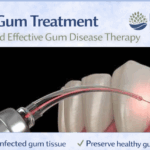
Dental laser used to treat infected gum tissue around teeth as part of laser gum disease treatment, featuring the Britten Periodontics and Implant Dentistry logo.

If you’ve heard about laser gum disease treatment, you may wonder if it replaces traditional care. Lasers can help reduce bacteria and inflamed tissue in certain cases. However, the best approach depends on your pocket depth, bone levels, and overall gum health.

What Lasers Can Do

Lasers can target infected tissue and disrupt bacteria. In addition, they may help reduce bleeding during treatment for some patients. Meanwhile, your provider can combine laser therapy with deep cleaning to improve gum healing. So, it often works as part of a plan, not as a magic wand.

What Lasers Cannot Do

Lasers do not “melt away” tartar that has hardened on teeth roots. Therefore, thorough scaling remains essential when calculus sits below the gumline. Also, if gum disease has caused significant bone loss, you may need additional therapies beyond laser use.

Who Might Benefit Most

Patients with mild to moderate periodontal pockets may see improvements when laser therapy complements conventional treatment. Meanwhile, patients who feel anxious about bleeding or sensitivity sometimes prefer it, although comfort varies by person. Your periodontist will evaluate your case and recommend what actually fits your mouth, not what looks shiny on a brochure.

The takeaway is simple: laser tools can help, but diagnosis drives results. As a result, the best next step is a periodontal evaluation with measurements and imaging. At Britten Perio, we match technology to your needs so you get predictable outcomes. If you’re considering laser gum disease treatment, ask what role it would play in your specific plan.

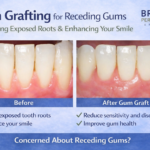
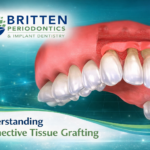
If cold drinks make you wince and your teeth look longer, you may need a gum grafting procedure. Gum recession exposes tooth roots, which can increase sensitivity and raise the risk of decay near the gumline. The good news is that grafting can protect the area and improve comfort.

Why Gums Recede

Recession can come from aggressive brushing, thin gum tissue, orthodontic movement, or gum disease. However, it often develops slowly, so many people miss it at first. Therefore, regular exams matter, especially if you notice new sensitivity or notches near the gumline.

How the Treatment Works

Your periodontist adds tissue where the gums have pulled back. This tissue may come from your palate or from a donor source, depending on your needs. Then the graft is secured so it can integrate and strengthen the gumline. Meanwhile, the goal isn’t just cosmetics. It’s protection, stability, and easier cleaning.

Recovery Tips That Actually Help

Expect mild soreness and swelling for a few days. So choose soft foods, avoid pulling on the lip to “check it,” and follow your cleaning instructions closely. In addition, keep your follow-up appointments, because small adjustments can make healing smoother. Also, switch to a soft-bristled brush and gentle technique to protect the result long-term.

When gums cover roots better, sensitivity often drops and brushing becomes more comfortable. As a result, patients frequently say they wish they’d done it sooner. If you want to stop recession from getting worse, ask Britten Perio if a gum grafting procedure is right for you.

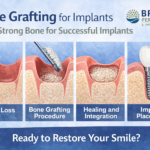
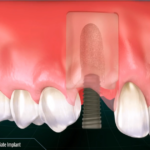
Diagram showing the stages of bone grafting for dental implants, including bone loss, bone graft placement, healing and integration, and implant placement in regenerated bone.

You may hear about bone grafting for dental implants if you’ve had missing teeth for a while. When a tooth is gone, the jawbone can shrink because it no longer gets stimulation from chewing. The goal of grafting is simple: rebuild support so future teeth replacements stay stable.

Why Bone Loss Happens

Bone responds to pressure and activity. However, when a tooth disappears, the body often reabsorbs some of that bone. Gum disease can speed this up, too. Therefore, even if you feel fine, you might have less bone than you expect.

How Grafting Helps

A graft places bone material in the area that needs rebuilding. Over time, your body integrates it and forms stronger support. In addition, grafting can improve facial contours and help the final implant crown look more natural. Meanwhile, your periodontist chooses the technique based on the size and location of the bone loss.

Healing and What You Can Do

Most patients report mild swelling and tenderness for a few days. So plan for soft foods, excellent oral hygiene, and follow-up visits. Also, avoid smoking, because it can slow healing. Your provider may recommend a membrane or biologic materials to support predictable results.

Not everyone needs grafting, but many people benefit from it. As a result, it can expand your treatment options and reduce the risk of implant complications. If you’re exploring implants and want a long-term solution, ask Britten Perio whether bone grafting for dental implants fits your plan.

You may hear about bone grafting for dental implants if you’ve had missing teeth for a while. When a tooth is gone, the jawbone can shrink because it no longer gets stimulation from chewing. The goal of grafting is simple: rebuild support so future teeth replacements stay stable.

Why Bone Loss Happens

Bone responds to pressure and activity. However, when a tooth disappears, the body often reabsorbs some of that bone. Gum disease can speed this up, too. Therefore, even if you feel fine, you might have less bone than you expect.

How Grafting Helps

A graft places bone material in the area that needs rebuilding. Over time, your body integrates it and forms stronger support. In addition, grafting can improve facial contours and help the final implant crown look more natural. Meanwhile, your periodontist chooses the technique based on the size and location of the bone loss.

Healing and What You Can Do

Most patients report mild swelling and tenderness for a few days. So plan for soft foods, excellent oral hygiene, and follow-up visits. Also, avoid smoking, because it can slow healing. Your provider may recommend a membrane or biologic materials to support predictable results.

Not everyone needs grafting, but many people benefit from it. As a result, it can expand your treatment options and reduce the risk of implant complications. If you’re exploring implants and want a long-term solution, ask Britten Perio whether bone grafting for dental implants fits your plan.
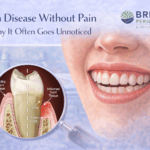
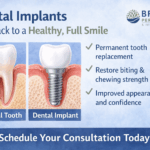
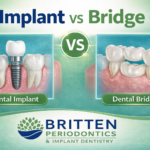
Dental implant compared to a natural tooth, showing how implants replace missing teeth and restore chewing function, featuring the Britten Periodontics and Implant Dentistry logo.

If you’re missing teeth, dental implants can restore function and confidence without relying on neighboring teeth for support. They feel secure because they replace the tooth root, not just the visible crown. So, you can chew, smile, and talk with more ease.

How Implants Work

An implant is a small post placed in the jawbone. After placement, the bone bonds with it during healing. Then a custom crown attaches on top. Unlike a bridge, an implant stands on its own. Therefore, you avoid shaving down healthy teeth to hold a replacement.

Who Makes a Good Candidate

Healthy gums and adequate bone support matter. However, many patients still qualify even if they have bone loss, because bone grafting can rebuild the area. In addition, medical conditions like diabetes do not automatically disqualify you, but they do require thoughtful planning. Meanwhile, smoking can slow healing, so your periodontist may recommend quitting or reducing use before treatment.

What to Expect During the Process

First, you’ll get imaging and a detailed exam. Next, your provider plans the placement for stability and aesthetics. After surgery, healing time varies, but most people manage well with simple aftercare and follow-ups. Finally, the crown is placed to match your smile.

With proper hygiene and routine maintenance, implants can last many years. As a result, they often become a “one-and-done” solution compared to options that need frequent replacement. If you want a long-term tooth replacement, ask Britten Perio about dental implants and a personalized plan.

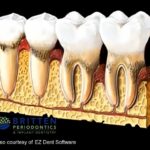
Diagram showing how gum disease progresses, starting with plaque buildup and advancing to bone loss and tooth loss.

This animation shows what happens beneath the surface when periodontal (gum) disease is left untreated.

How Gum Disease Develops Step by Step

Many people feel shocked when they hear they have gum disease, especially if nothing hurts. Understanding how gum disease develops helps explain why early care matters so much and why waiting can cost you teeth.

It Starts With Plaque and Bacteria

Plaque forms on teeth every day. When it sits along the gumline, bacteria multiply quickly. At first, brushing and flossing may cause mild bleeding. However, this early warning often goes ignored. As plaque hardens into tartar, it becomes harder to remove with home care alone.

Inflammation Creates Hidden Damage

Next, inflammation sets in. The gums begin to swell and pull away from the teeth, forming small pockets. These pockets trap more bacteria, which makes cleaning even harder. Meanwhile, the infection moves deeper below the surface, even though you may not feel pain.

Bone and Tissue Begin to Break Down

Over time, the pockets deepen as the supporting bone and tissue break down. As a result, teeth lose the foundation that keeps them stable. Chewing may feel different, teeth may shift, and sensitivity can increase. Eventually, the tooth becomes loose.

Tooth Loss Is the Final Stage

Without treatment, the tooth can no longer stay in place and may fall out or need removal. This progression often happens quietly, which is why gum disease gets called a silent problem.

The good news is that early diagnosis can change the outcome. With non-surgical periodontal therapy, regular periodontal maintenance visits, and consistent home care, this process can often slow or stop. Knowing how gum disease develops empowers you to act before permanent damage occurs. Prevention and early care protect your smile long-term.

Dr. Britten providing expert periodontal treatment to improve gum health and appearance.

Patient Referrals Reflect Confidence in Our Quality Periodontal Care

At Dr. Britten’s practice, a referral is the highest compliment a patient can give. When you refer your friends and family, you place your trust in our hands—and we are honored by that trust. From your first visit to ongoing treatments, we are committed to delivering quality periodontal care with compassion, precision, and respect.

Welcoming New Patients with or Without a Referral

Furthermore, whether you’ve been referred by a general dentist or by someone close to you, we warmly welcome all new patients. Our goal is to create a comfortable experience while addressing each person’s unique periodontal needs. With or without a professional referral, you can expect a thorough evaluation and a personalized treatment plan rooted in best practices and a gentle approach.

Continuing the Tradition of Excellence

In addition, we take pride in the long-standing relationships we’ve built with our patients. Every kind word and every referral inspires us to strive for excellence in everything we do. Our dedicated team works to ensure that every visit reflects our commitment to outstanding care and thoughtful service.

Your Confidence Inspires Us

Most importantly, your support and confidence do not go unnoticed. When you share your positive experience, you help others discover a practice where quality periodontal care is paired with genuine compassion. As a result, healthier, more confident smiles are achieved—one patient at a time.

In closing, thank you for placing your trust in our team. Your referrals and continued support inspire us to deliver the best care possible—now and into the future.

Dr. Britten enhances gum health and appearance with expert periodontal treatments.

Restore Your Smile by Building a Healthy Periodontal Foundation

A healthy periodontal foundation is essential not just for oral health but also for a confident, attractive smile. Dr. Britten is dedicated to helping patients achieve both by addressing gum issues like recession and excessive gum display, commonly known as a “gummy smile.” If you’ve noticed these conditions, you’re not alone—and there are effective, professional solutions available.

Understanding Gum Recession and Gummy Smiles

Gum recession occurs when the gum tissue pulls back from the teeth, exposing roots and leading to sensitivity and aesthetic concerns. A gummy smile, on the other hand, involves excessive gum visibility when smiling, which can make teeth appear shorter than they are.

Fortunately, both conditions are treatable. Dr. Britten offers advanced periodontal procedures to either replace lost gum tissue or contour the existing gums for a more balanced appearance.

Advanced Treatments for Lasting Results

Using minimally invasive techniques, Dr. Britten restores the natural look of your gums and teeth. Gum grafting replaces tissue lost to periodontal disease, while gum contouring reshapes the gum line to enhance symmetry. These treatments not only improve the appearance of your smile but also support long-term oral health.

Confidence Begins with Healthy Gums

By establishing a healthy periodontal foundation, you pave the way for improved dental aesthetics and greater self-confidence. Dr. Britten’s patient-centered approach ensures that each treatment is tailored to your unique needs, combining function and beauty in every smile.

Don’t let gum issues affect your confidence. Schedule a consultation today to learn how enhancing your periodontal health can transform your smile—and your life.

Back to Blog

appointment